Data Center Expansion as a Catalyst for Shifting U.S. Energy Markets
The rapid growth of data centers across the United States is creating a seismic shift in the nation’s energy landscape. As these massive facilities continue to mushroom in major urban and suburban hubs, their ever-increasing demand for reliable power is forcing traditional energy providers to rethink their approach. In many ways, the rise of data centers is reshaping how energy markets work, compelling stakeholders to address everything from supply constraints to pricing fluctuations. With industry experts like energy attorney Willie Phillips weighing in on this trend at events such as Wood Mackenzie’s Power and Gas Trading Conference, many are beginning to see the long-term implications of this evolution.
One of the key takeaways is that the expansion is not merely an incremental growth in consumption. It is a transformative event that is compounding the demands on the grid and challenging the existing mix of power resources. It also underscores the need for more adaptable, responsive strategies from both energy suppliers and data center operators. The process of aligning technology with grid management is riddled with tricky parts, tangled issues, and subtle details that can either enhance stability or contribute to rising energy costs if not properly managed.
Rising Power Needs: How Data Centers Are Steering Energy Demand
Data centers are on the front lines of the digital revolution, driving demand for ever more advanced infrastructure and, correspondingly, increasing the need for energy in ways that are both predictable and unpredictable. The shift toward digital transformation across industries has not only redefined where investments are made but also how power is procured, consumed, and conserved. When you factor in the scale and pace of new data center developments, you begin to see a market that is evolving in an almost nerve-racking way.
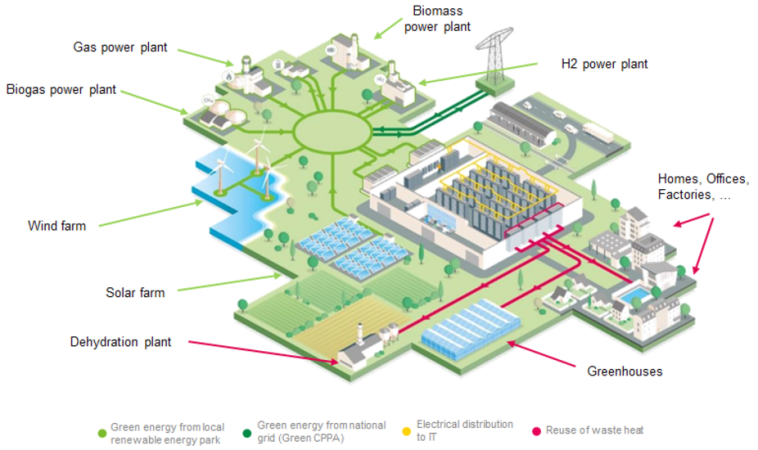
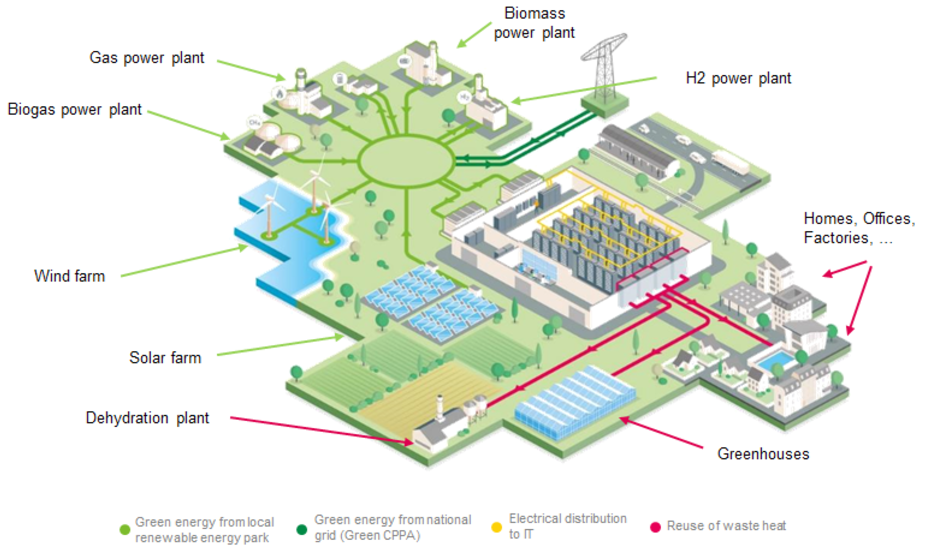
In practical terms, operators and energy providers must figure a path through competing challenges. As demand skyrockets, how do traditional power plants, especially those fueled by gas, integrate seamlessly with renewable energy sources? The answer may lie in the behind-the-scenes balancing act that has become commonplace among industry insiders. Data centers, for instance, often require round-the-clock operations, making alternatives like solar and wind energy a complementary piece of the puzzle rather than a standalone replacement. Traditional sources like gas-fired generation are stepping in as critical partners, ensuring that there is always a backup when the sun isn’t shining or the wind isn’t blowing.
Managing the Demand: Balancing Renewable Energy and Gas-Fired Generation
One of the most interesting aspects of this energy transition is the interplay between renewable energy and gas-fired power plants. The need for round-the-clock energy supply means renewables alone cannot shoulder the burden. Gas-fired generation, often considered the “workhorse” of the energy grid, steps in to offer a reliable if not always the most elegant, solution. This combination of energy sources is a classic example of how traditional and modern power generation can coexist, even if the process is full of problems and occasional twists and turns.
Data center operators have recognized early on that managing power consumption is a key determinant of cost and operational success. As a result, some have taken a closer look at demand response initiatives. These programs are designed to encourage energy users to adjust their consumption based on market signals and grid conditions. It’s a strategy that not only helps balance supply and demand but also provides economic incentives by lowering peak demand pricing during critical periods.
- Round-the-clock operational needs create space for gas-fired power plants to support renewable energy
- Data centers looking to reduce costs are increasingly investing in demand response programs
- Balancing these energy sources requires careful planning and a deep dive into supply-demand dynamics
Examining the Gas-Fired Generation Role: Essential Support for 24/7 Operations
Gas-fired generation is emerging as a super important pillar in the new energy paradigm. While renewable energy sources remain a central goal in the transition towards cleaner and more sustainable power, the intermittent nature of these resources means that they cannot deliver the uninterrupted energy flow that modern data centers require. Here, gas-fired generators become a key bridge, offering the quick start-up capabilities and reliable power output needed during transitional periods.
However, the integration of gas-fired power plants raises several questions that are on the mind of policymakers and market analysts alike. What is the scale of the impact on gas demand? How sensitive is the pricing of natural gas to changing market conditions driven by data center growth? Observers have noted that any significant uptick in reliance on gas-fired generation might lead to price shifts and supply challenges, especially during periods of peak demand.
Energy markets thrive on a delicate balance between supply and demand, and sudden shifts in either can have widespread repercussions. Data centers, with their immense power needs, effectively create a new target for energy providers to hit. This rebalancing act is like a constant dance where the slightest misstep—a missed cue, untimely response, or delayed ramp-up of generation—could send ripples through the entire industry. The task, then, becomes one of figuring a path that not only meets present needs but also anticipates future demands.
Key Considerations for Energy Providers and Data Center Operators
Both energy providers and data center operators face a series of head-scratching questions as they strive to adapt to this new norm:
- How does the continuous operational requirement of data centers impact fuel pricing and supply reliability?
- What strategies can be implemented to coordinate smooth transitions between renewable energy and gas-fired generation?
- How can data center operators enhance demand response mechanisms to prevent price spikes during off-peak hours?
Each of these points represents a classic example of the confusing bits and subtle details that must be addressed. Essentially, stakeholders are being asked to think many steps ahead, blending current technology with new methods of energy management to build a system that is both resilient and efficient.
Adapting to Market Fluctuations: The Impact of Data Center Growth on Energy Pricing
In a market that is increasingly loaded with issues, the expansion of data centers is creating unique price dynamics. Energy prices in the U.S. have long been subject to a variety of factors, from geopolitical events to seasonal demand variations. Now, as data centers become dominant players in the energy consumption landscape, analysts are taking a closer look at how this factors into the market’s overall balance.
What are the implications for gas pricing when the need for rapid ramp-up capabilities becomes a more pressing concern? The answer is nuanced. A significant growth in data center operations may lead to unexpected surges in gas demand, pushing prices upward due to tighter supply margins. Conversely, if power markets adapt quickly enough, these pressures might be balanced by improved market mechanisms that align gas supply with ever-changing demand signals. The result is a market that is in a constant state of adjustment—equally exciting and nerve-racking for those involved.
This situation is akin to steering through a series of intricate, little details, where small miscalculations can lead to far-reaching consequences. As energy suppliers, regulators, and data center managers work to iron out the subtle parts of these changes, the importance of coordinated market responses becomes increasingly evident. In some respects, it is a call for a new level of planning and strategy that goes beyond simply meeting immediate power needs.
Visualizing Market Dynamics: Data Center Impact Analysis
| Factor | Impact | Potential Challenges |
|---|---|---|
| Data Center Capacity Expansion | Boosting overall energy demand | Grid strain during peak usage |
| Gas-Fired Generation Support | Reliable 24/7 power supply | Price volatility due to supply shortages |
| Renewable Integration | Long-term sustainability goals | Intermittency issues requiring backup power |
| Demand Response Implementation | Enhanced grid flexibility | Complex management in real-time operations |
This table encapsulates the key points of impact that data centers are having on the energy market, from driving demand higher to introducing new challenges in energy pricing. Each factor is intertwined with several layers of tricky parts and big questions that fuel further debate among industry experts.
Smart Demand Response: How Data Centers Are Responding to Market Signals
One of the most proactive moves in modern energy management is the implementation of demand response programs. Such initiatives are not new, but the unique demands of data centers have accelerated their adoption and refinement. Rather than waiting for the market to dictate conditions uncontrollably, data center operators are opting for more intentional strategies to manage their energy bills and contribute to grid stability.
This approach is based on the idea of adjusting energy usage in response to real-time price signals and grid conditions. Essentially, when the grid is under stress due to sudden surges in demand or supply constraints, these programs signal data centers to temporarily reduce their power intake or shift non-essential processes to off-peak times. The dividends are twofold: not only does the grid receive much-needed breathing room, but the data center, in return, often benefits from lower energy costs through financial incentives and reduced peak pricing penalties.
Operators tackle these tricky parts by carefully setting thresholds and establishing automated systems that can get into the nitty-gritty of operational scheduling. However, the process can also be off-putting due to the nerve-racking potential for service interruptions if the adjustments are not made at just the right moment. Still, the overall benefit of a more balanced relationship between power consumption and market response is a convincing argument in favor of these initiatives.
Key Advantages of Implementing Demand Response Programs
- Real-time energy cost savings through dynamic adjustments
- Enhanced grid stability during peak times
- Strategic alignment of power consumption with supply capabilities
- Opportunities for collaboration between energy providers and data centers
These benefits illustrate why many companies are increasingly investing in demand response systems. It is a classic case of a win-win scenario where both the supplier and the consumer play a role in creating a more dynamic energy environment.
Understanding Regulatory Challenges and Policy Implications
While the technical and market aspects of this transformation are grabbing headlines, it is equally important to consider the regulatory dimensions that underpin these developments. Working through U.S. energy regulations and policy guidelines often feels like trying to find your way through a maze of confusing bits and complicated pieces. Federal and state-level policies can sometimes be riddled with tension, creating off-putting delays and nerve-racking uncertainties for those trying to plan long-term investments.
Regulators are currently facing multiple challenges: ensuring that environmental policies do not inadvertently choke innovation, balancing the interests of traditional energy suppliers with those promoting the green energy agenda, and adapting outdated frameworks to capture the emerging realities of the digital age. More streamlined policies and innovative regulatory approaches could help resolve some of these concerns by finding a more seamless path between legacy systems and future needs.
For data center operators, these regulatory hurdles can often appear as subtle parts of a larger puzzle. Each rule or guideline—even with the best intentions—can add another layer of complexity. Amidst these tangled issues, collaboration between industry experts, legal advisors, and policymakers becomes a key part of creating a future where growth and sustainability go hand in hand. As experts like Willie Phillips point out in public forums, the way forward is one that requires close interaction and mutual understanding across all sectors of the market.
Major Regulatory Hurdles in the Transformation Process
- Balancing environmental objectives with the imperatives of economic growth
- Updating outdated policies that are ill-equipped to handle modern energy demands
- Coordinating federal and state efforts to create a harmonious regulatory framework
- Ensuring transparency in how new demand response initiatives are implemented
The issues described above underscore the importance of proactive dialogue between regulators, industry participants, and legal professionals. Only by sorting out these regulatory details can the industry expect to steer through the current challenges and capture the full benefits of the ongoing energy transition.
Innovative Strategies and Technological Advancements in Energy Management
The technology and tactics used in managing energy consumption have evolved significantly over the last decade. From advanced forecasting software to smart grid solutions and automated demand response systems, technological progress is the backbone that supports the growing demands of data centers. These innovations are essential not only to keep up with the rapid expansion of data facilities but also to ensure that the electric grid remains efficient and resilient.
One critical aspect is the integration of digital tools that help bridge the gap between energy usage and market signals. Cutting-edge monitoring systems can now provide real-time data on consumption, helping data center operators make informed decisions in moments of peak demand. Similarly, energy suppliers are using advanced analytics to predict potential gaps in capacity and adjust generation schedules accordingly.
This technological leap is a classic example of how modern problems require modern solutions. Given the potential for overwhelming challenges in the energy market, digital advancements have become a super important asset in providing detailed insights into consumption trends, supply fluctuations, and the subtle details that govern peak operations. The ability to get into the nitty-gritty of these processes not only minimizes the risk of blackouts and outages but also provides data-driven evidence that can help shape future investments.
Technological Tools Enhancing Energy Management
- Real-time monitoring systems for energy consumption
- Advanced analytics to forecast supply-demand gaps
- Automated demand response mechanisms for rapid adjustments
- Integration of IoT and smart grid technology
Each of these tools plays a critical role in managing the evolving needs of data center-driven energy consumption. By effectively implementing these technologies, the industry can hope to address the tricky parts and hidden complexities in the current energy mix.
Industry Collaboration: Building Bridges Between Energy Providers and Data Center Operators
The transformation of U.S. energy markets is not a solo endeavor. Much like any major shift in industrial practices, building effective partnerships among key stakeholders is super important to achieving a resilient and sustainable outcome. Energy providers, data center operators, legal professionals, and policymakers need to work together to sort out the tangled issues that come with rapid expansion.
Collaborative efforts are already underway in various forums, including panel discussions led by experts like Willie Phillips. Such gatherings are venues for exchanging ideas, sharing best practices, and exploring strategies that can help both sides better understand the evolving market dynamics. Whether it’s tweaking pricing models, aligning regulatory guidelines, or investing in new technologies, everyone involved has a vested interest in ensuring that the transition is as smooth as possible.
This type of alliance is a prime example of how working through complicated pieces requires not only technical know-how but also the ability to foster relationships that mitigate challenges. When energy providers and data center operators come together, the sector benefits as a whole—from improved operational efficiency to more competitive energy pricing. In this context, collaboration acts as a guiding light for the industry, helping to figure a path through what might otherwise be an overwhelming series of challenges.
Examples of Collaborative Initiatives in the Energy Sector
| Initiative | Description | Potential Benefit |
|---|---|---|
| Joint Demand Response Projects | Cooperative programs between data centers and grid operators | Optimized energy consumption and reduced cost peaks |
| Smart Grid Integration Workshops | Training and knowledge-sharing sessions on advanced grid technologies | Enhanced operational efficiency and grid stability |
| Policy Roundtables | Forums connecting regulators, legal professionals, and industry experts | Harmonized policies that support market innovation |
These collaboration examples not only highlight the importance of industry partnerships but also serve as a blueprint for how future initiatives might be structured. When companies and regulatory bodies join forces, the likelihood of creating a balanced and adaptive energy market increases, benefiting everyone from local communities to large-scale industrial operations.
Long-Term Outlook: Preparing for an Evolving Energy Future
Looking ahead, it is apparent that the energy market is on the cusp of a new era—one where data centers play a pivotal role in shaping consumption patterns, pricing strategies, and overall grid management. The influences of data center expansion extend far beyond electricity billing; they strike at the heart of economic planning, regulatory reform, and technological innovation.
In this ever-changing landscape, several factors stand out as must-have priorities for stakeholders:
- Adaptability: Energy suppliers and data center operators must remain agile, always ready to adjust their strategies in response to evolving market signals.
- Investment in Technology: The continuous adoption of advanced monitoring tools and smart grid technologies will be key in managing unpredictable surges in demand.
- Policy Reforms: Regulators must work diligently to update outdated frameworks, reducing the intimidating barriers that can stifle innovation and collaboration.
- Collaborative Spirit: The most sustainable solutions are likely to emerge from partnerships that combine the practical expertise of energy providers with the forward-looking vision of digital infrastructure operators.
This long-term perspective is essential for building a resilient infrastructure capable of meeting both present and future needs. The key to success lies in how well industry participants can manage their way through the ambiguous twists and turns presented by this transformative era.
It is important to recognize that, while the challenges ahead are many, the opportunities are equally significant. Data centers offer more than a simple increase in demand; they present a chance to reimagine the entire energy ecosystem. With the right mix of technology, regulation, and collaboration, the United States can build an energy market that not only meets contemporary challenges but also paves the way for a sustainable future.
Economic Implications and Market Stability Amid Growing Data Center Demand
Economic stability in the energy sector is a subject that affects not just businesses but consumers and communities at large. As data centers drive up energy consumption, they inevitably exert pressure on regional grids and national reserves. The challenges of matching supply with such an aggressive surge in demand are many, and they encompass everything from short-term operational snags to long-term investment strategies.
Market analysts are now taking a closer look at the interplay between rising demand and pricing dynamics. History tells us that significant shifts in any sector often create periods of uncertainty. Yet, these times are also ripe for innovative solutions that can deliver greater flexibility and economic resilience. It is crucial for market players to tackle the twist and turns of pricing volatility with strategies that incorporate both demand response and supply-side adjustments.
This economic perspective is replete with both opportunity and risk. When energy providers can maintain a steady supply, they enhance market confidence and help drive down operational costs for data centers. On the other hand, any missteps—such as an untimely surge in gas prices—can have ripple effects that unsettle even the most well-established markets. Hence, the stakes are high, and every decision counts.
Economic Forces at Play in the Energy Market Transformation
- Supply Constriction: As data centers pull more energy, suppliers must figure a path to rebalance production, especially during peak periods.
- Price Adjustments: Gas pricing is likely to be influenced by the increased reliance on quick-start generators, potentially leading to cost spikes if supply lags.
- Investment in Infrastructure: A robust response from the energy market will require significant investment in smart grid upgrades and backup generation facilities.
- Consumer Impact: Ultimately, the ripple effects may find their way into consumer bills and business operating costs, making it absolutely essential to manage price fluctuations prudently.
These forces highlight that while the growth of data centers propels economic activity forward, it equally demands a recalibration of long-standing energy market norms. The key is a balanced approach that benefits the corporate sector, ensures grid stability, and ultimately protects consumer interests.
Public Policy Perspectives: Achieving a Balanced Energy Future
The influence of data center expansion on public policy cannot be underestimated. As industry leaders and policymakers come together at events like the Houston Trading Conference, the discussion turns to how best to blend traditional power generation with modern energy practices. An integrated approach is necessary—one in which regulatory reforms keep pace with technological advancements and market demand shifts.
Policymakers are increasingly called upon to bridge the gap between environmental objectives and the economic demands of an evolving digital infrastructure. The task is far from straightforward; lawmakers must steer through a maze of traditional regulations and emerging priorities. The challenge involves managing your way through an intricate set of requirements designed to protect the environment while also supporting innovation in the power sector.
This delicate balance requires an approach that respects the fine points of both strategy and policy. Collaboration here is not just beneficial—it is super important for achieving long-term success. As private sector experts emphasize in various roundtables and seminars, the future of energy relies on policies that are both flexible and inclusive, capturing the spirit of innovation while setting clear, manageable guidelines.
Policy Priorities for a Sustainable Energy Ecosystem
- Modernizing outdated energy regulations to reflect current technological capabilities
- Encouraging investments in smart grid infrastructure and renewable energy while maintaining a reliable gas-fired backup
- Fostering open dialogue between industry leaders, legal experts, and policymakers
- Implementing transparent, responsive regulatory frameworks that promote both growth and environmental responsibility
These policy priorities outline a roadmap for navigating the tricky parts of energy market reform. With the right legislative support, it is possible to create an environment where innovation flourishes and energy remains both affordable and sustainable.
Building a Resilient Future: Wrap-Up and Final Thoughts
In conclusion, the rapid expansion of data centers is inducing a well-needed revolution within the U.S. energy markets, one that is as challenging as it is promising. The growth of these digital infrastructures is placing unprecedented demands on the nation’s power grid, pushing traditional energy providers to forge new paths by integrating gas-fired generation as a reliable complement to renewable sources.
It is clear that each stakeholder—from energy suppliers and data center operators to policy makers and legal experts—must come together to address the tangled issues presented by this evolution. Whether it’s sorting out pricing volatility, investing in advanced grid technology, or fine-tuning demand response mechanisms, every step taken represents a stride toward a more resilient and adaptable energy future.
Ultimately, the journey ahead is full of tricky parts and overwhelming challenges. Yet, it is also loaded with opportunities to create an energy market that is better aligned with the needs of modern society. By combining innovative technology, collaborative spirit, and forward-thinking public policy, the U.S. can build a sustainable energy ecosystem that paves the way for economic growth and long-term stability.
As we look ahead, it becomes super important that industry leaders continue to take a closer look at every twist and turn of this energy transition. The stakes are high, but so are the rewards. Stakeholders can benefit from embracing both the predictable and unexpected dynamics of an evolving grid—ensuring that data centers, renewable energy sources, and gas-fired generation units together create a balanced, responsive, and economically viable energy market.
This transformation is more than just a technical or economic challenge; it is a call to reimagine the way we power our digital future. When traditional power meets modern demand, the resulting synergy can lead to innovative solutions that benefit not only the industry but society as a whole. It is our collective task to work through these confusing bits and tangled issues, making sure that every decision contributes to a cleaner, more reliable energy landscape for generations to come.
Key Takeaways for Industry Stakeholders
- Data center expansion is a key driver in reshaping U.S. energy markets and accelerating the integration of both renewable and traditional energy sources.
- Gas-fired generation plays an essential role in ensuring 24/7 power supply and stabilizing the grid during periods when intermittent renewables fall short.
- Smart demand response strategies provide a pragmatic approach to managing rapid shifts in energy consumption during peak demand periods.
- Modernizing regulatory frameworks and fostering industry collaboration are critical steps in addressing the confusing bits of an evolving energy infrastructure.
- Investing in technology and innovative energy management tools supports a balanced approach to supply, demand, and pricing strategies in the long run.
Each of these points underscores the idea that innovation, regulation, and cooperation are the cornerstones of a future-proof energy market. With thoughtful strategies in place, the growth of data centers need not disrupt the energy landscape—instead, it can serve as a driving force for modernizing and stabilizing it.
As the spotlight continues to shine on events like Wood Mackenzie’s Power and Gas Trading Conference and similar gatherings, it is clear that the conversation around energy market transformation is just getting started. Expert panels, regulatory debates, and industry collaborations are all contributing to a movement towards smarter, more resilient energy practices. The outcome of these discussions will undoubtedly shape the future of how energy is produced, distributed, and consumed across the nation.
In the end, while the task of balancing traditional power sources with cutting-edge digital infrastructure is undeniably loaded with issues, the proactive efforts from across the board offer a promising outlook. The ongoing dialogue between legal practitioners, energy experts, and data center operators gives hope that the United States will not only meet the current challenges but rise above them to create a durable and forward-looking energy market.
As we move forward, let us encourage continued innovation, greater transparency in regulatory reforms, and robust collaboration across every level of the industry. By doing so, we can ensure that every twist and turn in this journey strengthens our collective ability to power the digital age—and pave the way for a more sustainable, economically vibrant future.
Originally Post From https://www.hklaw.com/en/events/2025/11/how-data-center-expansion-is-reshaping-us-energy-markets
Read more about this topic at
Digital Transformation in Energy: The Power Move Utilities …
Digital Disruption in the Energy Industry: 2025 and Beyond