Understanding Federal Funding Hurdles in Infrastructure Projects
The recent decision by Multnomah County to delay the commencement of the Earthquake Ready Burnside Bridge Project gives us a lot to think about. In our community and across the nation, local governments are facing tricky parts when it comes to securing sufficient federal funds. This delay is a classic example of how uncertainties in federal support can affect essential infrastructure projects that are super important for public safety and economic growth.
In the current federal environment, many local agencies are working tirelessly to figure a path through multiple funding challenges. Without the assurance of solid backing from Washington, many projects – especially those crucial to public safety – have to be put on hold or reworked. For the Burnside Bridge Project in Multnomah County, the situation means that even though the bridge design reached its final stages and construction plans are nearly ready, officials are forced to reevaluate their timelines in the wake of rising uncertainties.
This predicament highlights the broader issue for communities nationwide. Key infrastructure improvements, such as earthquake-proofing structures and replacing aging bridges, are in a constant state of flux due to funding delays. Local governments are caught between the need to upgrade critical structures and the unpredictable nature of federal assistance, which plays a super important role in such large-scale projects.
Evaluating the Economic Impact of Construction Delays
The decision to push back the start date – previously projected for 2028 – has significant economic implications that ripple through economies far beyond the immediate area of the bridge site. In the current scenario, rising labor and material costs have already resulted in a jump in the project’s estimated expenses, from $1.6 billion to $1.8 billion. This effort to secure cost savings while ensuring the project’s safety has gained considerable attention from both industry experts and the local business community.
One of the aspects of this unfolding issue is its effect on family wage jobs. Federal funds associated with infrastructure projects like these are often tied to the goal of creating good-paying, stable positions for local workers. With the delay, business owners, employees, and the local workforce face the challenge of an uncertain job market. Families that were expecting a boost in their living standards through these initiatives now face an unpredictability that can be described as nerve-racking.
However, the county remains optimistic by committing to stay construction-ready. This proactive measure is designed so that the moment federal funds are secured, the project team can hit the ground running. Clear planning, ongoing design updates, and a well-thought-out construction strategy contribute to mitigating the negative economic fallout while awaiting a federal funding revival.
Assessing the Project’s Role in Creating Family Wage Jobs and Stimulating Local Growth
Beyond the immediate physical benefits of a new, earthquake-resilient bridge comes the significant impact on local economic stimulation. Infrastructure projects of this scale are known for their ripple effects throughout the local economy. In Multnomah County, the Burnside Bridge project is seen as a super important driver for local business growth and job creation, particularly in regions where traditional manufacturing and industrial activities play a key role.
One clear benefit from such projects is the creation of family wage jobs—a direct infusion of steady income that supports entire communities. Moreover, the preparations put into the bridge’s design emphasize cost efficiency without compromising safety. The county’s project team claims to have found around $160 million in savings, ensuring that taxpayer dollars are used wisely. This attention to detail is critical; fiscal responsibility in infrastructure projects helps balance economic growth with sustainable public spending.
- Job Creation – The funding and subsequent phases offer a chance to boost local employment opportunities.
- Economic Stimulation – Large-scale projects attract investment, ancillary services, and other economic activities.
- Infrastructure Improvement – Upgrading a critical asset like a bridge can result in safer transportation and commerce.
For small business owners and local entrepreneurs, reliable and safe infrastructure translates into fewer disruptions in their operations and often leads to increased consumer confidence in the local area. This in turn has a promising, albeit delayed, potential for revitalizing the region economically.
Engineering Challenges and the Safety Imperative
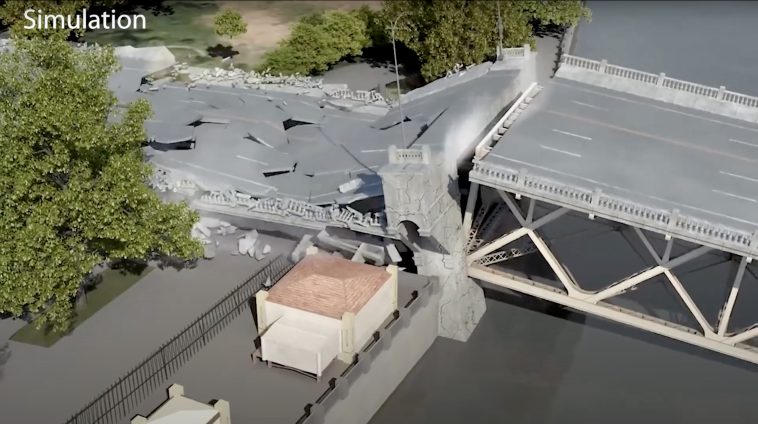
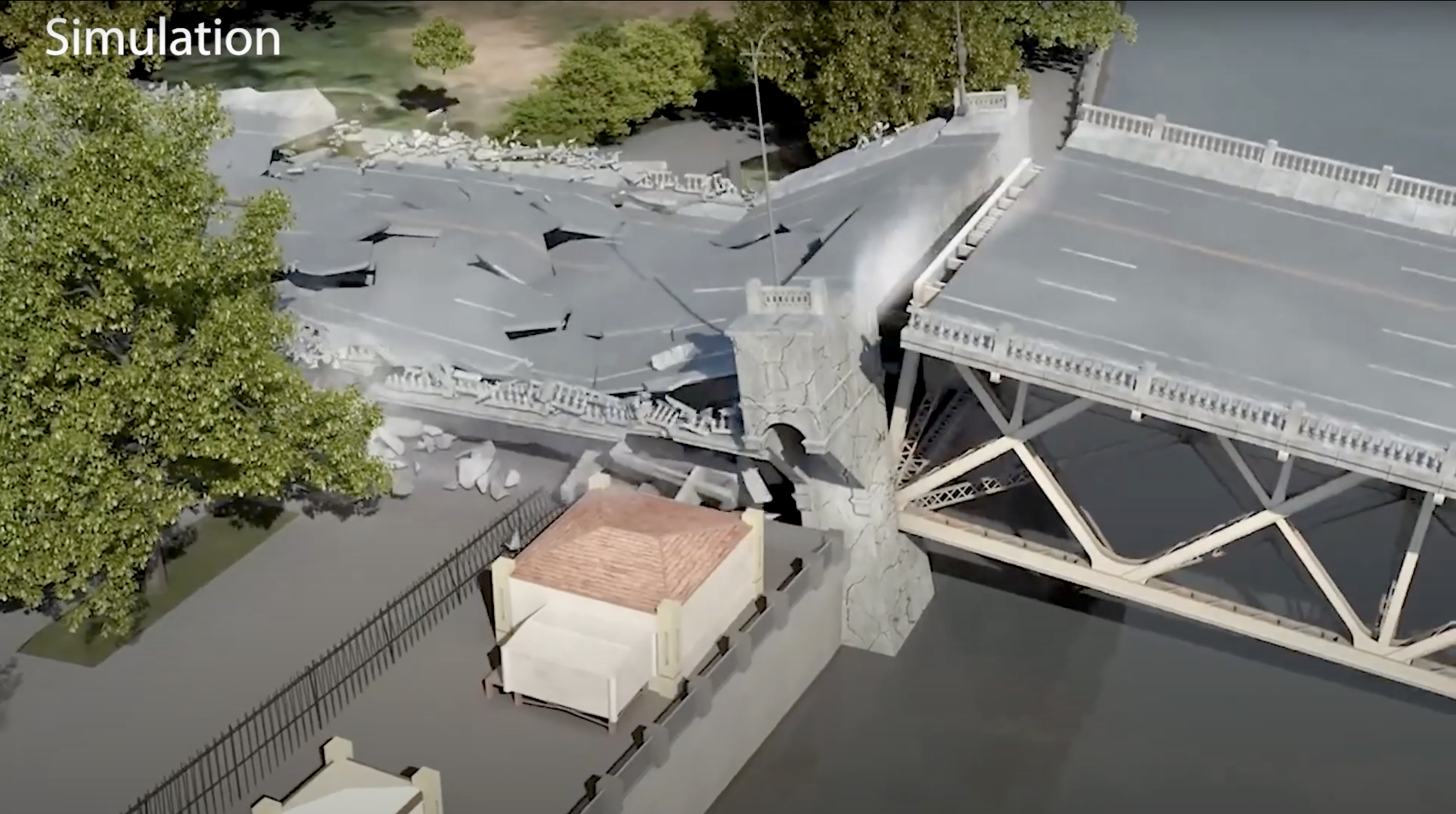
Engineering projects in regions with high seismic activity, like those along the Cascadia subduction zone, are always filled with confusing bits. The Burnside Bridge Project is designed to tackle these challenges head-on by updating the structure to withstand significant and terrifying seismic events. At its core, the project is not just about constructing a new bridge; it is about ensuring that the current structure’s weaknesses are not repeated in times of crisis.
Safety is the foremost priority when it comes to combining cost efficiency with high-performance engineering standards. The project’s design phase, which began in late 2023, involved a review of six design options before officials and community stakeholders finally agreed on an inverted Y-cable-stayed tower design. This design, now favored for its blend of aesthetics and engineering performance, aims to offer off-putting levels of resilience while still being accessible in terms of cost.
Yet integrating high safety standards with economic efficiency is a task full of problems. The project team has taken the time to study the finer details—everything from building a test shaft foundation in Tom McCall Waterfront Park to simulate soil interactions—to mitigate any potential hazards. By actively engaging with these challenging pieces, the engineers serve as a signal that safety can’t be compromised, even during times of fiscal uncertainty.
A table summarizing some core safety features and challenges is provided below:
| Aspect | Considerations | Solutions |
|---|---|---|
| Seismic Resilience | Design must absorb and dissipate earthquake forces. | Innovative cable-stayed design, robust foundations, and advanced materials. |
| Cost Increases | Material and labor costs rising globally. | Rigorous project reviews to identify $160 million in cost savings. |
| Soil and Environmental Factors | Unknown or variable soil composition in a waterfront area. | Test foundations and detailed geotechnical studies undertaken. |
| Funding Uncertainty | Dependence on federal support to match escalating costs. | Maintaining a construction-ready status and engaging in proactive planning. |
Overcoming Tricky Parts in Managing the Rising Costs
One of the most intimidating aspects of large-scale public works projects today is handling rising costs. The case of the Burnside Bridge has shown that even projects that are firmly planned are riddled with tension due to unexpectedly rising expense curves. With the current estimates moving into higher ranges, it is clear that cost management remains a critical, if not nerve-racking, challenge.
Several factors contribute to these rising costs. Global inflation, supply chain disruptions, and labor shortages have all converged to make construction tougher from a budget perspective. The adjustment in price from $1.6 billion to $1.8 billion is a direct reflection of these trends. The county’s proactive approach, which included meticulous reviews of construction methodologies and design efficacy, has allowed them to find about $160 million in savings—an impressive win given the myriad of puzzling cost challenges.
Local government officials have repeatedly stressed that these findings show not only an impressive degree of resourcefulness but also a commitment to deliver maximum value for taxpayer dollars. An important takeaway for public administrators and policy makers is that detailed project evaluations, even when projects are laden with issues, can help smooth out the twists and turns of budget management.
For business analysts and stakeholders alike, this edition of the Burnside Bridge Project is a potent reminder of how managing rising costs requires a delicate balance between innovation and tried-and-true fiscal strategies. Future projects must incorporate rigorous cost-analysis mechanisms to fine-tune project team decisions – a lesson that serves as a blueprint for infrastructure management nationwide.
Local, State, and Federal Funding: Crafting a Collaborative Financial Strategy
At the heart of the matter lies the balancing act of combining local, state, and federal funding. Even though recent federal investments for similar projects have fluctuated, the Burnside Bridge Project has managed to secure essential backing. Regional funding of $10 million, coupled with guaranteed local and state resources, provides a fundamental safety net for the project.
This kind of financial collaboration is super important because it spreads the risk and ensures that no single entity shoulders the entire burden. For communities, this integrated funding approach not only builds a resilient infrastructure but also fosters cooperative relationships among governmental bodies. Clarity in financial planning and secure backing are essential criteria for achieving a construction-ready state, so that when federal funds do become available, the county can act swiftly and decisively.
- Local Funding: Demonstrates the community’s and local government’s commitment to upgrading essential infrastructure.
- State Funding: Bridges gaps where local funds might be insufficient, ensuring continuity in long-term projects.
- Federal Funding: Provides a crucial boost that paves the way for more extensive renovations and job creation.
For professionals in public administration and economic development, the lesson here is clear: diversifying funding sources is one of the smartest strategies to manage and move forward on critical infrastructural endeavors, even in environments that are full of problems. It’s a model worth replicating in similar projects across the country.
Understanding the Nitty-Gritty of Detailed Project Reviews
The Burnside Bridge Project teaches us that in-depth project reviews are more than just a checkbox exercise; they are essential, almost super important, steps in assuring that public funds are spent in the best possible way. The detailed assessment, which yielded an impressive $160 million in savings, was accomplished by taking a closer look at every component of the project—from the design to the envisioned construction methods.
This kind of comprehensive review ensures that even if there are tangled issues, public money isn’t wasted on unnecessary expenses. It makes you appreciate the small distinctions that differentiate a well-planned project from one that is likely to face severe overruns or delays. Moreover, it reinforces the notion that government projects, regardless of their scale, must be managed with an unwavering commitment to transparency and accountability.
For interested stakeholders, including business owners, engineers, and tax policy enthusiasts, this project is a case study in how to figure a path through funding uncertainties while setting a strong example for public project management. The county’s detailed provisions regarding safety protocols, cost analyses, and phased planning collectively serve as a model for future infrastructure projects nationwide.
The Broader Economic and Social Implications
While the primary focus of the Burnside Bridge Project is on constructing an earthquake-resilient bridge, the initiative’s implications extend far beyond the realm of transportation engineering. For local businesses, improved infrastructure means more reliability in shipments, ease of commuting, and a preferential environment for investments. For families and workers, such projects promise steady jobs, improved community services, and better overall safety during emergencies.
Delaying the project may be temporarily off-putting for those eagerly awaiting the benefits, but it also underscores a fundamental principle: quality should never be sacrificed for speed. By remaining construction-ready and awaiting federal funding, Multnomah County is ensuring that when the work resumes, it will be done with optimal precision and care. This delay, though nerve-racking in the short term, is a testament to the county’s commitment to getting the project exactly right, even if it means waiting a little longer.
This broader perspective reminds us that large-scale public projects are never isolated initiatives. They represent interconnected efforts that drive local economies, contribute to public safety, and sustain robust community growth. By examining the subtle details of the Burnside Bridge Project, we gain a clearer picture of how infrastructure investments play out in real time, facing tricky periods of uncertainty while promising long-term rewards.
Learning from the Multnomah County Experience
The Multnomah County case offers many lessons for policymakers, engineers, and business leaders alike. One of the standout lessons is the importance of being proactive in the face of funding uncertainty. Instead of halting progress entirely, the county is taking steps to maintain a state of readiness so that when federal support materializes, the project can swiftly transition into its construction phase.
This approach serves as a blueprint for other regions facing similar challenges. It shows that even in an environment where federal funding may be delayed or reduced due to political or economic conditions, there are effective strategies to ensure that projects remain on track. By staying prepared, communities mitigate the impact of off-putting delays, ensuring that when funds are available, their investments begin to yield tangible benefits immediately.
Moreover, the county’s transparent communication strategy helps build public trust. By keeping residents and stakeholders informed about every step—be it finding $160 million in savings or completing a test foundation in a popular park—the administration is not only demonstrating fiscal responsibility but is also fostering a sense of shared responsibility among the community.
Assessing the Future Outlook for Infrastructure Projects
The delay in the Burnside Bridge Project is unlikely to be an isolated case. Given the current federal climate, many local governments might face similar challenges in the coming years. With federal support being as critical as it is in these economic times, decisions made today will set the stage for tomorrow’s projects.
For those in the industrial manufacturing and automotive sectors, and particularly for businesses interested in electric vehicle infrastructure, stable and secure funding for infrastructure projects is super important. Reliable public works lay the foundation for future investments in technology and transportation, and even small business owners can benefit from improved access and connectivity. An updated bridge that is resilient against severe seismic events can do wonders for regional confidence, making it easier for investors and local entrepreneurs to plan long-term strategies.
Looking forward, the strategy of remaining construction-ready while waiting for federal investments could well become the norm, especially in regions prone to natural disasters and economic uncertainties. This approach may set a new standard for project management, innovative funding strategies, and intergovernmental cooperation. The lessons learned here can help other administrations understand that it’s not about rushing a project through challenging periods, but about ensuring that every stage meets safety standards and is supported by sound, long-term planning.
Addressing Community Concerns and Public Safety
Public infrastructure projects always serve as a focal point for community dialogue. Residents naturally express concerns about delays and rising costs, and for good reason. Every delay, every dollar added, or every change in the project design is a topic of discussion in community meetings and local news. Yet, these dialogues are critical to ensuring that the final project reflects the collective voice of the community it is meant to serve.
In this instance, local officials have worked hard to get input from community members during the design phase. The result is a project that not only meets engineering standards but also integrates community feedback. Residents of Portland can rest assured knowing that their local government is not simply taking a top-down approach to the project but is, instead, ensuring that every important voice is heard.
This engagement is an essential part of managing public projects effectively. When communities play a role in shaping their infrastructure, the resulting project is more than a construction exercise—it’s an embodiment of local pride, a testament to collective resilience, and a promise of safety for generations to come.
In areas where the potential impact of natural disasters is high, public safety must be more than a buzzword in funding proposals. It should be a guiding factor in every decision, from the choice of design to the painstaking testing of foundational materials. By addressing public concerns head-on, Multnomah County demonstrates that it takes both safety and community input very seriously.
The Intersection of Public Policy and Business Tax Considerations
While public safety and infrastructure improvements are critical, these projects also intersect with broader issues such as business tax laws and local economic incentives. In a challenging federal funding atmosphere, local governments often rely on innovative tax strategies and public-private partnerships to bridge the gap between available internal funds and the escalating costs of large-scale projects.
For business leaders and local investors, understanding how infrastructural improvements affect tax policies is key. A well-designed and efficiently managed bridge project can enhance commerce by reducing transportation bottlenecks, ultimately boosting local tax revenues through increased business activities. Meanwhile, delays in such projects can have knock-on effects, potentially stalling economic reforms and disrupting anticipated tax benefits.
Administrators need to balance several competing priorities:
- Ensuring Stable Revenue Streams: By timing the project correctly with federal support, local bodies can minimize disruptions to tax revenue estimates.
- Encouraging Business Investment: A modern, safe transportation network attracts further investment in local industries, including manufacturing and electric vehicle infrastructure.
- Fiscal Responsibility: Detailed project assessments and transparent budgeting can build trust, encouraging local businesses to support and rely on government plans.
Small business owners, industrial manufacturers, and those involved in the automotive sector watch these developments closely because, ultimately, infrastructure is a key element of the business environment. The Burnside Bridge Project, in its careful balancing of cost, safety, and efficiency, demonstrates how effective public policy and sound tax management can go hand in hand to boost local economies.
Implications for Future Infrastructure Marketers
As we work through the final design stages and await federal funding approval, infrastructure marketers have an interesting story to tell. The narrative of the Burnside Bridge Project is not just one of construction delays or rising costs—it is a tale of resilience, innovation, and community-driven progress. For professionals involved in presenting public projects to potential investors or private partners, this case study underscores the importance of transparent communication, detailed planning, and a readiness to act when conditions improve.
Marketing professionals in the infrastructure space can take several pointers from this example:
- Use Detailed, Transparent Case Studies: Share the process of how cost savings were discovered and how safety measures were rigorously tested.
- Emphasize Preparedness: Highlight the strategy of staying construction-ready, even in the face of funding delays, to instill confidence among investors.
- Showcase Collaborative Efforts: Bring attention to the partnerships between local, state, and federal agencies as well as the inclusion of community feedback throughout the design process.
- Focus on Long-Term Benefits: Stress the community and economic benefits derived from a modern, safe infrastructure that serves multiple generations.
For those in related fields like industrial manufacturing or automotive and electric vehicle infrastructure, the renewed focus on resilient design and efficient project management offers lessons on advancing sustainable development strategies even in times of fiscal uncertainty.
Conclusion: Preparing for a Federal Funding Revival
The delay of the Burnside Bridge Project by Multnomah County may initially appear as a setback. However, looking deeper, it illustrates how local governments are working through tangled issues with resilience and foresight. The decision to remain construction-ready shows an essential commitment: a readiness to act swiftly and efficiently when federal funds become available.
This case clearly demonstrates that successful infrastructure projects depend on multiple factors: managing rising costs, ensuring public safety, engaging local communities, and balancing economic initiatives with clear policy goals. As the county works through each of these challenging pieces, it sets a strong precedent for other projects nationwide.
Ultimately, this delay is not a signal of defeat but rather a strategic pause—a moment to review, refine, and renew commitment to public safety and sustainable growth. With every detailed project review and every budget line scrutinized, the Burnside Bridge Project paves the way for future endeavors that can transform urban infrastructure and boost local economies.
For residents, business leaders, and policymakers alike, the Multnomah County experience offers an invaluable lesson: even when the path ahead is riddled with tension and off-putting delays, preparedness and perseverance pave the road to long-term success. The hope is that federal funding will soon reconcile with these well-laid plans, allowing the county to leverage its strategic investments into a project that not only stands strong against earthquakes but also symbolizes the enduring power of proactive community planning.
As we continue to observe the next steps in this extensive project, one takeaway stands out. Infrastructure development, especially when intertwined with public safety and economic stability, demands a comprehensive approach that embraces both flawless design and flexible strategies. In this way, even the most intimidating challenges become opportunities—chances to learn, innovate, and ultimately build a future that is both secure and prosperous.
In conclusion, the Burnside Bridge Project is a vivid reminder that in these uncertain times, every decision taken today is a building block for a safer, more resilient tomorrow. Whether you are a local business owner, a public policy enthusiast, or simply a resident invested in your community’s future, this project represents a critical juncture in public infrastructure planning—a testament to what can be achieved when planning meets perseverance, communication meets community spirit, and leadership meets the intricate, yet manageable, world of modern public works.
Originally Post From https://portlandtribune.com/2025/10/20/multnomah-county-delays-burnside-bridge-earthquake-project-amid-federal-funding-uncertainty/
Read more about this topic at
Sumter defers Highway 378 project as bridge plans face …
Portland’s Burnside Bridge rebuild faces indefinite delay …