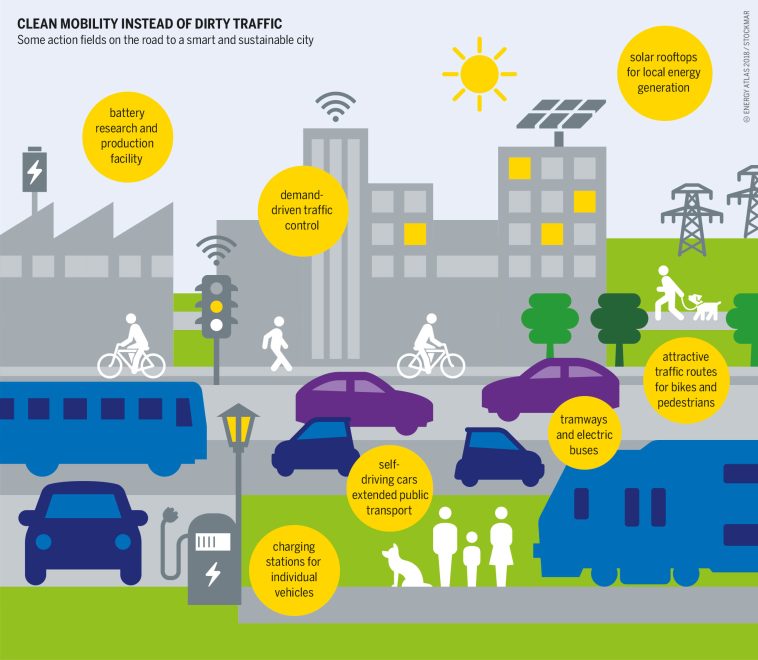

MDOT’s Commitment to Environmental Sustainability Along I-375
The Michigan Department of Transportation (MDOT) is embracing change in an exciting way by moving ahead with essential utility upgrades near I-375. While the future design of I-375 in Metro Detroit is still under review, MDOT is already taking steps to improve infrastructure that will benefit both the environment and the communities it serves. This initiative—centered on constructing a new storm sewer outfall at the Detroit riverfront—exemplifies how transportation authorities can support cleaner water discharge and alleviate pressure on older systems.
In this opinion editorial, we will examine MDOT’s new project, explore the benefits for residents and businesses, and look closely at the tricky parts, tangled issues, and confusing bits that come with such improvements. We will also consider the economic implications and the key lessons for urban planning and infrastructure management. The discussion is neutral and designed to help you figure a path through the multifaceted world of transportation improvements and environmental sustainability.
Understanding the Project: A Closer Look at the Storm Sewer Upgrade
MDOT’s plan to construct a new storm sewer outfall is not only about improving drainage—it is about providing lasting environmental benefits for communities adjacent to I-375 and the Detroit riverfront. By building a drainage outfall, MDOT hopes to reduce the risk of flooding and ensure that cleaner water is discharged into the Detroit River. This is particularly important following heavy rains when traditional combined sewer systems often get overwhelmed, leading to overflow that affects both streets and neighborhoods.
According to Jason Garza, MDOT Metro Region deputy engineer, “The future of I-375 is still in review but the outfall is a critical infrastructure improvement that fits any alternative selected.” In other words, regardless of how the eventual design of I-375 unfolds, this drainage system is a must-have upgrade that will benefit future developments and environmental management efforts.
Key Environmental Benefits and Community Impacts
Storm sewer systems play a super important role in modern urban infrastructure. Not only do they help manage storm water runoff, but they also protect ecosystems and improve the overall quality of life for residents living nearby. The following bullet list outlines some of the environmental and community benefits expected from the MDOT upgrades:
- Cleaner Water Discharge: The new storm sewer will help filter and direct water away from overburdened systems, leading to cleaner water being released into the Detroit River after heavy rain events.
- Reduced Flooding: By relieving pressure on the existing combined sewer system, the improved drainage minimizes the risk of flooding in local neighborhoods and commercial areas.
- Enhanced Public Safety: With less flooding and improved road conditions, both vehicle and nonmotorized traffic routes will become safer for daily commuters.
- Sustainable Urban Development: The infrastructure upgrade supports future developments and ensures that any new constructions can benefit from modern drainage and environmental protections.
- Boost to Local Economy: A robust infrastructure system can help stimulate local economic activities by providing a safer and more reliable transportation network.
This list underscores that MDOT’s approach is not purely technical; it is about thoughtful planning, community engagement, and sustaining an environment that responds to both economic and ecological needs.
Breaking Down the Tricky Parts of Infrastructure Upgrades
Large-scale utility projects are never without their challenges. When MDOT moves ahead with projects like the new storm sewer outfall, there are several complicated pieces to consider. From potential road closures to detour planning and public outreach, there are many twists and turns that require careful attention.
One of the nerve-racking aspects of such projects involves managing traffic disruptions. For instance, the new upgrade will require the closure of Schweizer Place between Woodbridge and Atwater streets until early June 2026. Although detours will be clearly marked for both vehicles and pedestrians, managing public expectations and ensuring safety during transitions are on edge issues that MDOT has to address with precision.
Other challenging areas include:
- Stakeholder Coordination: Collaborating with local businesses, residents, and other government agencies is essential. The project must align with community needs while meeting regulatory requirements.
- Environmental Compliance: The project requires adherence to strict environmental standards. This means constructing and operating systems in a manner that minimizes any potential ecological impact.
- Technical Considerations: From design adaptations to material choices, the technical details are packed with small distinctions and hidden complexities that MDOT engineers must figure a path through.
Even with these intimidating factors, a proactive communication strategy and meticulous planning can ease the transition for everyone involved.
Economic Perspectives: How Infrastructure Upgrades Drive Growth
Beyond the environmental enhancements, MDOT’s improvements along I-375 represent a key investment in the region’s economic future. Infrastructure projects like this one create a ripple effect across industries—from construction and utilities to local businesses that thrive when transportation systems are safe and efficient.
Consider the following table, which highlights several economic factors linked to infrastructure development:
| Economic Factor | Impact Through the MDOT Upgrade |
|---|---|
| Construction Jobs | Provides employment opportunities and stimulates local economies |
| Enhanced Accessibility | Improves transport routes, making it easier for residents and businesses to connect |
| Reduced Flood Damage | Minimizes repair costs for public and private infrastructure after severe weather events |
| Business Growth | Creates a more attractive climate for business investments and long-term development |
The positive economic side of the project also extends to future real-estate development. With improved safety standards and environmental protections, there is a strong possibility that more mixed-use developments will flourish in the region. This stimulation can lead to increased property values and an overall rise in community prosperity.
Impact on Local Communities: Charting a Course for a Safer Future
The environmental upgrades on I-375 are not merely about technical enhancements—they are about real-world benefits for those who live, work, and play in the affected areas. One of the most significant outcomes will be the reduction of flood risks which, in turn, contributes to community safety and improved public service delivery.
For residents in close vicinity of the Detroit riverfront and along I-375, this project offers several essential advantages:
- Improved Road Safety: With decreased instances of flooding and better drainage, road conditions are expected to stabilize, offering a more secure commute.
- Environmental Health: Cleaner water discharge means less contamination in local waterways, which benefits both human health and the natural ecosystem.
- Enhanced Quality of Life: From reduced traffic disruptions due to flood-related repairs to upgraded public spaces like the Riverwalk (albeit with a temporary seasonal closure), the overall community experience will be better managed.
- Future-Proofing Infrastructure: As the project supports potential future developments, residents can look forward to a more modern and sustainable neighborhood environment.
Local businesses also stand to benefit by having more predictable operations and fewer weather-induced interruptions. These smaller yet critical details are like the fine points of a well-crafted plan that ensures every stakeholder, from community members to local authorities, can see the value in a clean and efficient transport network.
Addressing Concerns: Managing Community Disruptions and Environmental Compliance
Change on such a scale often comes with its share of worries. For many residents, the temporary closure of Schweizer Place and the seasonal disruption of the Riverwalk may seem like overwhelming challenges. However, MDOT has taken steps to manage these concerns methodically.
During the initial phase of the drainage work, there will be no impact on the Riverwalk. Crews will restore part of Atwater Street to accommodate pedestrians and bicyclists, ensuring that even in times of transition, community mobility is maintained. By posting clear detour routes and timely notifications, MDOT is committed to managing the tricky parts of public inconvenience effectively.
Let’s look at some of the community management strategies in a bulleted list:
- Clear Communication: Regular updates and detailed maps are provided to help residents find their way through changed routes.
- Detour Planning: Special attention is paid to both vehicle and pedestrian pathways, ensuring safe bypasses during closures.
- Seasonal Adjustments: For example, the Riverwalk closures occur during the colder months when use is naturally lower, reducing the impact on everyday life.
- Restoration Efforts: After construction, infrastructure like Atwater Street will be upgraded to enhance pedestrian and bicyclist safety.
These measures, while indicative of the sometimes nerve-racking rhythm of infrastructure change, reassure the public that environmental upgrades are being managed with a keen sensitivity to community needs and safety.
Understanding the Technical Aspects: The Fine Details of the Upgrade
In any sophisticated transportation project, the fine points of design and implementation matter just as much as the broader goals. MDOT’s initiative to add a new storm sewer outfall involves many subtle parts that require a close look.
For those interested in the technical elements, here are a few nitty-gritty details:
- Critical Engineering Design: The project involves advanced drainage calculations, material science considerations, and storm water management techniques.
- Adapting to Future Needs: The new system is designed with the flexibility to support upcoming developments, showing that MDOT is not just solving a current problem but also planning for tomorrow.
- Integration with Existing Systems: While the new infrastructure will ease the load on older combined sewer systems, it is built to fit within the existing urban layout without causing major disruptions.
- Risk Management: Detailed risk assessments have been performed to ensure that heavy rains and subsequent water runoffs are effectively managed, reducing any potential flood risks.
Even though these technical bits might be intimidating for those not directly involved in engineering or urban planning, understanding that each piece is carefully thought out can help ease worries about the overall project. It means that every twist and turn in the design is intended to create a system that is both eco-friendly and efficient.
Economic Benefits: Driving Business Growth and Community Resilience
In addition to environmental upgrades, projects like MDOT’s storm sewer outfall provide a significant boost to the local economy. The construction phase alone creates numerous job opportunities, and the upgraded infrastructure can stimulate further business growth once completed.
Here are some key economic benefits to consider:
- Job Creation: Infrastructure projects typically generate employment. From construction workers to engineers and project managers, the ripple effects of such improvements extend well into the local job market.
- Enhanced Business Operations: With improved drainage and reduced flooding, businesses can expect fewer interruptions. This reliability is a key selling point for local commerce and attracting new investments.
- Attraction for Future Investments: A community with robust infrastructure is more likely to attract new businesses. The promise of a sustainable, modern transportation network can create a favorable investment climate.
- Long-Term Cost Savings: Preventing flood damage means reduced repair costs over time. This not only saves money for residents and businesses but also for local governments and taxpayers.
These factors illustrate that while some aspects of utility improvements may seem entangled with challenges, the overall benefits are far-reaching and positive for the economic landscape of Metro Detroit and beyond.
Lessons in Urban Planning: Integrating Environmental and Transportation Policies
The I-375 project serves as a case study on how modern transportation planning can simultaneously address environmental needs and support urban growth. This dual focus is essential in today’s rapidly evolving cityscapes, which are loaded with problems stemming from outdated infrastructure and rapid population growth.
Urban planners and transportation engineers have learned several lessons from projects like these, which include:
- Balancing Immediate Needs with Future Planning: It is not enough to simply fix current problems. The new storm sewer system is designed to cater to future developments, ensuring that urban growth does not come at the expense of environmental integrity.
- Community-Centric Development: Engaging local communities about how these projects will affect daily life is on edge. Through public meetings, social media outreach, and clear communication, MDOT is ensuring that citizens are not left in the dark.
- Adapting Existing Infrastructure: Instead of completely overhauling systems, MDOT is enhancing current setups by integrating modern engineering practices—a sensible approach to managing change without causing extreme disruption.
- Flexibility in Design: With the I-375 project still under design review, the storm sewer outfall has been conceptualized in a way that fits any alternative selected later on. This flexibility is a key strategy in sustainability planning.
These lessons demonstrate that working through the planning process involves not only technical expertise, but also careful attention to the human elements of change. Public perceptions, safety considerations, and environmental sustainability all work together to form a blueprint for future projects.
Public Engagement and Transparency in Transportation Projects
One of the most important aspects of managing large-scale infrastructure projects is maintaining transparency with the public. MDOT consistently works to ensure that everyone has a seat at the table by providing timely updates and clear, accessible information.
This transparency is evident in several practices:
- Regular Announcements: MDOT issues press releases and updates, which detail project timelines, road closures, and anticipated impacts. This helps residents figure a path through the changes while minimizing confusion.
- Accessible Information: Detailed maps, public notices, and even social media updates ensure that all stakeholders—from local businesses to everyday commuters—can stay informed about the progress and specifics of projects.
- Feedback Mechanisms: Public participation and engagement initiatives allow residents to voice concerns and offer suggestions, ensuring that the final outcomes are in line with community needs.
Such practices are critical when tackling the nerve-racking and sometimes intimidating parts of infrastructure modernization. When people feel included in the process, the overall community reaction is more positive, and the chances of success increase considerably.
Looking Ahead: Future Developments and Sustainability Goals in Michigan
MDOT’s approach to supporting environmental sustainability is not an isolated initiative. It plays into a broader strategy aimed at ensuring Michigan remains competitive, modern, and eco-friendly. By investing in vital infrastructure today, there is a strong opportunity to shape the transportation landscape for generations to come.
Looking further into the future, we can anticipate developments in several related areas:
- Enhanced Multimodal Transportation: Beyond road improvements, MDOT is also involved in aviation, rail, public transit, and maritime projects. This comprehensive approach ensures that not one, but multiple transportation modes, contribute to a sustainable system.
- Technological Innovations: The integration of cutting-edge GIS systems, open data initiatives, and innovative transportation technologies means decisions are informed by the latest research and best practices.
- Stronger Economic Resilience: With better infrastructure, Michigan’s economic sectors—ranging from manufacturing to service industries—will have a more reliable foundation on which to grow.
- Community-Centered Urban Design: Future projects will likely emphasize green spaces, improved pedestrian routes, and enhanced connectivity between residential and commercial areas, leading to healthier and more fulfilled communities.
Each of these anticipated developments ties back to the initial steps taken with projects like the I-375 upgrade. As the foundation is laid, the ripple effects will become more visible, resulting in an overall system that is both cleaner and more resilient in the face of environmental challenges.
Integrating Safety, Sustainability, and Economic Development: A Multifaceted Approach
Safety remains one of the key priorities as MDOT advances this initiative. With a dual focus on infrastructure and environmental improvement, the department is setting new standards for how transportation agencies can manage public assets. Two critical elements define their approach:
- Environmental Safety: By reducing strain on the old combined sewer systems and preventing flooding, the project directly safeguards natural habitats and public health.
- Transportation Safety: Improved drainage and proactive road management reduce the likelihood of accidents and provide commuters with safer and more reliable daily travel options.
MDOT’s strategy is a prime example of how managing your way through infrastructure challenges requires attention to both small distinctions and major public policies. While there are many confusing bits when it comes to aligning economic goals with environmental objectives, the clear communication and detailed planning offered by MDOT help smooth the path ahead.
Charting a Course Through the Tangled Issues of Modern Infrastructure
Modern infrastructure projects are never simple. They are loaded with issues that span technical details, economic impacts, community disruptions, and even regulatory challenges. As we take a closer look at MDOT’s initiative, it becomes evident that these projects are more than just construction efforts—they are transformative actions aimed at setting a blueprint for the future.
Here are some of the tangled issues and approaches involved:
- Community Cooperation: Engaging with residents and local organizations ensures that the human element is not lost amid the technical improvements.
- Technical Adaptability: The project is designed with enough flexibility to accommodate future shifts in urban planning and environmental policy.
- Cost Management: While infrastructure projects are intimidating due to their upfront costs, the long-term savings from reduced flood damage and lower maintenance requirements can more than compensate.
- Regulatory Compliance: Navigating environmental regulations and ensuring that all legal standards are met is a challenge, but it is one that MDOT is well-equipped to handle.
These approaches indicate that even when the task seems overwhelming, breaking it down into manageable parts and focusing on effective communication can help steer through the challenges successfully.
Reflections on MDOT’s Broader Impact on Industrial and Transportation Sectors
MDOT’s initiative is a clear sign that modern transportation systems are evolving to meet today’s environmental and societal challenges. The impact of these changes extends far beyond just roadwork—they influence a wide range of industries including small businesses, industrial manufacturing, automotive, and even electric vehicles.
For instance, improved infrastructure can foster a more robust industrial sector by ensuring that goods are transported safely and efficiently. Likewise, the automotive and electric vehicle sectors can leverage better-maintained roads and lower flood risks to boost operational reliability. Consider the following points:
- Small Business Growth: A more reliable transportation network helps small businesses by reducing delays and minimizing damage to goods.
- Industrial Manufacturing: Consistent infrastructure standards mean fewer interruptions in the supply chain and smoother logistics operations.
- Automotive and EV Integration: When roads are maintained to high standards, the transition to electric vehicles and sustainable automotive technologies becomes less complicated and more appealing to consumers.
By integrating infrastructure improvements with a clear focus on sustainability, MDOT is not only investing in today’s needs but also building a road map for future industrial growth and environmental stability.
Moving Forward: Balancing Immediate Improvements with Future Prospects
As the construction of the new storm sewer outfall on I-375 commences, the project serves as a potent reminder that transformative change is within reach—even when it comes with short-term challenges. Laboratory-tested plans, clear communication, and community engagement come together to form a strategy that balances immediate upgrades with long-term aspirations.
MDOT’s proactive measures highlight several key insights for anyone interested in transportation planning and urban infrastructure:
- Flexibility is Key: Even as debates continue about the final design of I-375, the storm sewer outfall remains a critical upgrade that will benefit any eventual plans.
- Community Impact Should Remain Central: The upgrade is not just an infrastructure necessity but also a community asset that improves quality of life across multiple dimensions.
- Transparency Builds Trust: Open lines of communication and detailed public notices are instrumental in making sure the community buys into the overall vision.
- Economic Benefits Outweigh Temporary Inconveniences: While road closures and detours can be a nuisance, the long-term benefits—ranging from economic growth to environmentally safe neighborhoods—are something all stakeholders can rally behind.
In summary, MDOT’s initiative on I-375 is a model for how states can work through the confusing bits and intricate pieces of modern infrastructure problems by taking a balanced, transparent, and community-focused approach.
Conclusion: A Step Toward a More Sustainable Future
MDOT’s decision to forge ahead with the storm sewer outfall project reflects a broader commitment to environmental sustainability, community well-being, and economic development. While the journey is dotted with tricky parts and sometimes overwhelming challenges, the long-term benefits are both clear and promising.
Looking at the various aspects—from environmental protection and public safety to economic stimulation and urban planning—the project stands as a shining example of how infrastructure improvements can be more than just a means of transportation. They can be a bridge to a cleaner, more efficient, and economically vibrant future.
It is essential for communities to support these initiatives, even when change feels nerve-racking or off-putting, because the careful planning and design intrinsic to MDOT’s approach lay the groundwork for a resilient transportation network. In an era where every decision has a connection with the environment, our collective ability to figure a path through these tangled issues will define the future of our cities and towns.
As we keep an eye on the development along I-375, it is worth remembering that every enhancement—no matter how saturated with subtle details or small distinctions—contributes to a larger vision. This vision is one of sustainability, safety, and economic vitality that touches all facets of modern life, ensuring that Michigan stays on course as a leader in innovative transportation and environmental responsibility.
The MDOT initiative reminds us that progress is rarely free from challenges, but with clear strategies, open dialogue, and thoughtful planning, it is possible to overcome the intimidating and sometimes complicated pieces of urban infrastructure development. We encourage all stakeholders—from local businesses and residents to policymakers and industry leaders—to engage in this conversation and support the transition toward a smarter, cleaner, and more sustainable transportation future.
Additional Considerations for the Future
As we continue to watch developments on I-375 and other infrastructure projects throughout Michigan, it is crucial to recognize the broader themes that emerge from these efforts. Below is a summary in table format that encapsulates some of the essential considerations for future projects:
| Topic | Key Points |
|---|---|
| Environmental Sustainability |
|
| Community Impact |
|
| Economic Growth |
|
| Technical and Design Challenges |
|
This table serves as a microcosm of the many dimensions that MDOT and similar agencies must take into account when planning and executing projects that are as super important and wide-reaching as the I-375 upgrades.
Final Thoughts: A Future Built on Thoughtful Infrastructure Investments
In wrapping up our discussion, it is clear that the MDOT project is a commendable effort toward ensuring Michigan’s infrastructure meets the demands of a modern, environmentally conscious era. The project highlights how essential upgrades in public works can serve as stepping stones to an eco-friendly, economically robust future.
From cleaner water and reduced flood risks to improved economic opportunities and safe, accessible roadways, the benefits are many and varied. By working through the tricky parts and addressing the tangled issues with transparency and diligence, MDOT has set a positive example for local governments and agencies across the nation.
Whether you are a local resident, a small business owner, an urban planning enthusiast, or simply someone who values sustainability and community well-being, there is a valuable lesson in the I-375 project. It demonstrates that with thoughtful planning, open communication, and a commitment to progress, we can all steer through the challenges and build a future that is both resilient and inspiring.
Ultimately, the journey toward a more sustainable transportation network is as critical as the destination. By supporting projects like these, we are not only investing in our present—but also laying down the infrastructure for a prosperous, environmentally secure tomorrow. In the face of any temporary detours or overwhelming phases, it is important to remember that every constructive step makes a lasting difference.
As the project unfolds over the next few years, we encourage all interested parties to remain informed, voice their opinions, and contribute to the dialogue surrounding these essential infrastructure upgrades. By doing so, we collectively shape a future that values both progress and the preservation of our natural and community resources.
About the Author
The author is a seasoned analyst and contributor to transportation and urban development discussions, with close to two decades of experience observing the evolution of public works. With a keen interest in sustainability, civil engineering, and community development, the writer takes a balanced approach to investigating how infrastructure projects like MDOT’s I-375 upgrade contribute to creating safer, cleaner, and economically resilient urban environments. Through exploring the fine details and addressing the nerve-racking challenges head-on, the author hopes to inspire informed discussions and solutions for the road ahead.
Originally Post From https://www.michigan.gov/mdot/news-outreach/pressreleases/2025/10/08/mdot-supporting-environmental-sustainability-moving-ahead-with-utility-improvements-for-i-375
Read more about this topic at
Green Infrastructure – DEP
Green Infrastructure Initiative