Natural Gas in the Transition to a Sustainable Energy Future
Energy touches every aspect of our lives, from powering our homes to fueling complex industrial processes. In today’s global landscape, where the demand for energy is increasing at an unprecedented pace, the role of natural gas has become more critical than ever. As nations face the challenge of providing secure, affordable, and increasingly low-carbon energy, natural gas emerges not only as a temporary bridging solution but as a fundamental component of a sustainable energy mix. This opinion editorial takes a closer look at the various dimensions of natural gas efficiency, arguing that with the right blend of advanced technology, innovative digital tools, and strategic partnerships, natural gas can meet rising energy demands while playing a substantial role in decarbonisation efforts.
Digital solutions, advanced engineering, and integrated maintenance strategies have turned the spotlight on natural gas as an essential player in global energy. In this article, we will dig into the key elements shaping the natural gas sector, explore the digital transformation that is redefining operational efficiency, and consider the partnerships and projects that have proven successful in modernising traditional energy systems.
The Role of Efficiency in Meeting Rising Energy Demands
In today’s data-driven society, the need for efficient energy production has never been more obvious. Artificial intelligence, the rapid expansion of data centers, and growing heating and cooling requirements have all propelled demand to new heights. The energy sector faces multiple tricky parts, ranging from the challenge of balancing demand with sustainability goals to the tangled issues of implementing reliable and scalable solutions. Natural gas offers a promising pathway to bridge this current energy gap, acting as both a transitional and long-term energy source. However, success demands a relentless focus on refining efficiency across the entire energy value chain.
Integrating a Life-Cycle Approach to Energy Production
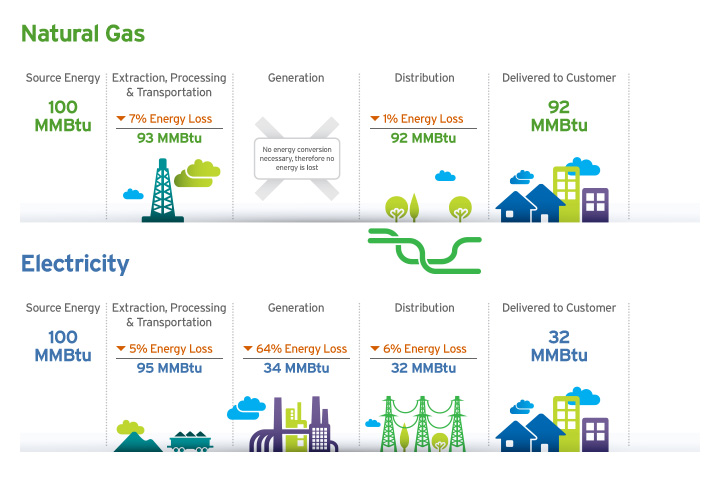
One of the critical strategies adopted today is the holistic, life-cycle approach to managing natural gas assets. This approach involves auditing every stage of operations—from extraction and processing to transportation and consumption—to ensure that energy delivery is carried out in the most effective manner possible. By combining the latest advances in digital technologies with robust engineering practices, companies can figure a path through the myriad of complicated pieces that make up traditional energy supply chains.
This integrated strategy has proven successful in multiple global projects. For instance, long-term service agreements in projects like the Tangguh LNG initiative in Indonesia have emphasized the importance of upgrading critical power and compression systems over years of operation. Such initiatives underline that the hidden complexities of conventional energy systems are not insurmountable—they can be managed by consistently investing in modern technology and partnering with experienced industry players.
Overcoming the Tricky Parts of a Traditional Energy Landscape
The modernisation of natural gas infrastructure isn’t without its nerve-racking challenges. Dealing with the fine points of aging equipment, the tangled issues of emissions control, and the subtle parts of maintenance and efficiency upgrades all require not only technological innovation but also resilient operational strategies. In many instances, these tricky parts can be off-putting to operators who have to balance production reliability with environmental responsibilities.
Operators must now work through the obstacles that have historically limited the efficiency of natural gas systems. Whether it’s upgrading gas turbines, modernising compressor stations, or integrating digital analytics into everyday operations, every improvement contributes to a broader strategy. These strategies are often loaded with issues that need addressing through a mix of best practices and cutting-edge solutions, demonstrating that a well-rounded approach can make even the most overwhelming tasks manageable.
Digital Optimization and Carbon Emissions Reduction
Digital technologies have revolutionised the energy industry by providing the tools required to make sophisticated, real-time decisions. With advanced analytics and artificial intelligence coming into play, companies are now able to monitor and adjust operations to achieve peak efficiency. A recent study by the International Energy Agency (IEA) estimates that achieving a 10% gain in efficiency through digital optimisation could eliminate around 500,000 tonnes of CO₂ emissions annually—a figure that underscores the enormous potential digital tools hold in the fight against climate change.
Harnessing Advanced Analytics to Drive Improvements
In the realm of natural gas, detailed monitoring of asset performance is paramount. Through platforms that integrate edge-to-cloud applications, companies now have the ability to gain real-time visibility into the performance of over 2,000 critical assets deployed globally. Advanced analytics, when coupled with a deep understanding of the nitty-gritty of energy systems, provide insights that can dramatically improve operational efficiency.
This digital transformation allows operators to:
- Real-time monitoring of energy consumption and emissions
- Immediate identification of system inefficiencies
- Proactive maintenance strategies to reduce downtime
- Data-driven decisions that strike a balance between production needs and environmental concerns
Using digital platforms such as the iCenter and Cordant suites, the energy sector can manage the subtle parts of operational efficiency more dynamically. These tools help smooth over problematic twists and turns related to integrating new technologies into existing practices, reducing the overall carbon footprint while delivering energy reliably.
Benefits and Challenges of Digital Transformation
The integration of digital technologies into natural gas operations has undeniably produced significant benefits, though it has also introduced its own set of tricky parts. While the advantages are many, including improved precision in energy usage management and a robust reduction in harmful emissions, several challenges remain:
| Area | Benefits of Digital Adoption | Tricky Parts Addressed |
|---|---|---|
| Operations | Real-time monitoring; predictive maintenance | Identifying hidden equipment issues; managing transitional inefficiencies |
| Environmental Impact | Lower carbon emissions; enhanced sustainability practices | Controlling unexpected emission spikes; balancing resource use with production demands |
| Asset Management | Optimised performance; extended asset lifespan | Resolving challenges with aging infrastructure; modernising legacy systems |
These detailed comparisons show that while digital advancements are proving to be super important in driving efficiency gains, every new technology or upgrade must be carefully integrated into existing systems to dodge potential pitfalls.
Embracing Modern Equipment Upgrades and Maintenance Strategies
The energy sector has witnessed an increasing trend of equipment upgrades that cater to both efficiency and longevity. Modernisation efforts are aimed not only at reducing emissions but also at extending the life of valuable assets in an economic and sustainable manner. New contracts and service agreements with world-leading operators are a testament to how natural gas companies are working hard to ensure that equipment is in top condition.
Case Studies of Successful Modernisations
A notable example of this trend is seen in the Middle East, where an operator recently awarded a service contract to upgrade one of the world’s largest gas processing plants. Such comprehensive upgrades often involve:
- Refurbishing and replacing aging gas turbines
- Installing new compression trains to bolster capacity
- Modernising key compressor stations to slash operational emissions
The careful orchestration of extensive equipment overhauls not only improves operational reliability but also contributes to lower long-term emissions. This kind of project shows that, with a commitment to innovation, even the old and worn-out parts of an energy system can be brought up to modern standards.
Key Strategies for Extending Asset Lifespan
There are several strategies that companies are using to ensure that their investments last longer while providing enhanced performance:
- Preventative Maintenance: Regular inspections and timely servicing help to prevent unexpected breakdowns.
- Technology Upgrades: Upgrading components with the latest digital and mechanical technologies tackles the small distinctions that separate modern systems from outdated ones.
- Integrated Monitoring Systems: Using digital tools like iCenter allows companies to keep track of real-time asset performance, quickly addressing any emerging issues.
- Collaborative Partnerships: By working in close collaboration with suppliers and technology partners, operators can combine industry practices and innovate in response to real-world operational demands.
These strategies provide a roadmap for companies looking to mix traditional asset management with modern technological approaches. The combination of these tactics helps natural gas players drive efficiencies, cut down on emissions, and extend the life of their key assets.
The Impact of Industrial Partnerships on Natural Gas Supply and Efficiency
Successful transformation in the natural gas sector is rarely the work of a single entity. It is the result of finely tuned relationships between governments, policymakers, and private companies, all working together to achieve similar sustainability goals. Partnerships have proven to be particularly effective in unlocking value and facilitating the advent of cleaner, more efficient energy solutions.
Case Study: Tangguh LNG Project in Indonesia
One of the prime examples of a thriving partnership is the decade-long collaboration on the Tangguh LNG project in Indonesia. This project, which has involved joint ventures with leading oil companies such as bp, exemplifies how close-knit cooperation can help drive efficiency in energy production. Through this partnership, critical power and compression systems have been upgraded continuously, and advanced service agreements have been put in place to safeguard the reliability and availability of key plant components.
Success factors in such partnerships include:
- Shared Expertise: Bringing together specialists with a deep understanding of the subtle parts of energy production ensures that even when faced with twisted challenges, the right solutions can be found quickly.
- Long-Term Vision: Partnerships that are based on a long-term vision allow for gradual yet substantial improvements that continue evolving as new technologies emerge.
- Cost Efficiency: Collaborative models help in distributing the financial load, making advanced upgrades affordable for each stakeholder involved.
This example underlines that industrial partnerships are not simply beneficial—they are a must-have element for navigating the competitive and sometimes nerve-racking landscape of modern energy production.
Advantages of Strategic Collaboration
Strategic collaborations bring about several advantages that go beyond simple cost savings:
- Resource Sharing: Collaboration allows companies to pool their resources and expertise. This cooperation is key in solving the small distinctions that often slow down improvement schedules.
- Risk Mitigation: Working together helps spread out the risks associated with major upgrades, ensuring that no single entity is overwhelmed by the intensity of technical or financial issues.
- Accelerated Innovation: When diverse teams come together, the creative spark can lead to innovative solutions that might otherwise be missed in isolated environments.
- Market Adaptability: By collaborating, companies can more quickly adapt to new market trends and regulatory frameworks, ensuring that their operations remain competitive and compliant.
These advantages illustrate that partnerships are essential for managing the overlapping and sometimes intimidating challenges of modern natural gas production. In an industry where every efficiency gain counts, the ability to work with others can make all the difference.
Overcoming Technological Hurdles Through Digital Tools
While the shift toward digital optimisation is offering substantial benefits, it is not without its own set of nerve-racking challenges. Integrating new digital tools with existing legacy systems can be intimidating, creating additional layers of complicated pieces that operators must manage. However, the rewards far outweigh the difficulties when it comes to achieving a balance between performance and sustainability.
Integrating Edge-to-Cloud Platforms for Enhanced Data Monitoring
Platforms such as iCenter merge data from edge devices to cloud-based systems, creating an efficient workflow that allows for faster decision-making and more precise interventions. These digital tools have shown that even a 10% improvement in system efficiency can lead to major environmental benefits, such as substantial CO₂ emissions reduction. By taking a closer look at the performance of critical assets, operators can identify small twists in operations—those subtle details that might normally go unnoticed—that can be optimised for better overall efficiency.
Key benefits include:
- Real-time insights and immediate feedback loops
- Integrated data analytics that highlight performance inefficiencies
- Seamless integration of historical data with current readings to predict future failures
- Optimisation of maintenance schedules, minimizing downtime
These digital innovations create an environment where every part of the natural gas value chain works in harmony, allowing for adjustments that once seemed intimidating to accomplish.
Challenges in Implementing Digital Transformations
Despite the clear advantages, the transition to a fully digitised system is not free from complications. Companies often have to contend with:
- Integration Issues: Merging new digital tools with older legacy systems can be a nerve-racking process. Finding your way through data migration without losing important historical records is one of the many fine points of this transformation.
- Skill Gaps: The need for highly skilled workers who can manage and maintain these digital systems is another critical component. In a field loaded with issues, training and reskilling become a super important factor.
- Security Concerns: With highly digitised operations, the risk of cyber threats is always at the border of discussion, creating subtle yet significant tensions that must be addressed through robust security protocols.
By addressing these challenges head-on, companies can ensure that their digital transformations deliver on the promise of increased efficiency and reduced emissions. Ultimately, it is about finding your path through the complex network of technology, human resource development, and cybersecurity measures.
The Future of Digital Tools in Energy Management
As we look forward, the continued evolution of digital technologies has the potential to reshape the energy industry even further. Future advancements, including more sophisticated AI algorithms and real-time data analytics, will likely drive even greater improvements in operational efficiency and sustainability. The integration of digital tools will become a standard component—not just an add-on—in the natural gas sector.
Emerging Trends in Data-Driven Energy Strategies
Some of the emerging trends that we are already beginning to see include:
- Predictive Maintenance: Leveraging massive data sets to forecast potential equipment failures before they occur, thereby reducing downtime and extending asset life.
- Automated Control Systems: The increased use of AI to balance production rates and manage energy flows, adapting seamlessly to market conditions or operational changes.
- Blockchain-Based Asset Management: Exploring secure, decentralized approaches to documenting equipment maintenance records and transactions.
- Green Digital Twins: Virtual models that simulate entire operations, helping identify inefficiencies and predict future performance with an eye toward reducing the carbon footprint.
Each of these trends represents a leap forward in how the natural gas industry can use digitalisation to handle the subtle parts of operations while keeping an eye on both performance and environmental impact. Companies that can seamlessly integrate these emerging technologies will be better positioned to manage the plentiful complex pieces and reach new levels of operational excellence.
Potential Impact on Environmental Goals
Digitally optimised operations not only make sense from an economic standpoint but also align perfectly with broader environmental targets. The cumulative effect of these digital interventions is tremendous. When every operator is urged to use a standardised, automated process that reduces energy waste and emissions, even the small distinctions add up to a significant environmental improvement. Some of the key benefits include:
- Lower overall carbon emissions
- Reduced energy consumption through smart monitoring
- Increased system reliability during peak demand periods
With these benefits in view, the adoption of digital tools in energy management is poised to become as indispensable as any new technology in the industry. It is clear that for the natural gas sector, digital transformation is no longer optional—it is a must-have strategy for delivering the energy efficiencies needed for a sustainable future.
Final Reflections on a Must-Have Natural Gas Strategy
The path forward for the natural gas industry is both challenging and exciting. As energy demands continue to surge globally, driven by everything from the expansion of data centers to the growing need for climate-friendly heating and cooling solutions, natural gas remains a key player in our energy mix. The industry is now at a crossroads, where the fusion of traditional energy practices with modern technology provides an opportunity to address the tangled issues that have long plagued conventional energy systems.
At its core, the natural gas strategy of the future is built on a trifecta of elements:
- Efficiency Enhancements: Through advanced maintenance practices, equipment upgrades, and a steadfast focus on reducing emissions.
- Digital Innovation: Empowering operators with real-time data, predictive insights, and robust digital platforms.
- Collaborative Partnerships: Leveraging the collective expertise of governments, private companies, and technological innovators to resolve tricky parts and support sustainable growth.
By working together, industry players can ease the nerve-racking transitions required to modernise aging infrastructures. The integration of smart technologies not only makes the process of managing your way through day-to-day operations smoother but also promises a robust and sustainable energy future for the global community.
It is important to remember that while the road to full decarbonisation through improved natural gas systems is full of small twists and hidden challenges, each step forward is critical. As we continue to integrate technology and foster international collaboration, natural gas will firmly position itself as a sustainable destination fuel—one that provides reliable, affordable energy, while also standing up to the overwhelming demands of a changing world.
In conclusion, the natural gas industry is undergoing a transformation that is as exciting as it is necessary. By embracing modern digital tools, upgrading aging equipment, and building robust, strategic partnerships, the energy sector can manage its way through the tricky parts of the transition and set a new standard for operational excellence and environmental responsibility. As directors of our energy future, we must continue to invest in the technologies and collaborations that will ensure natural gas remains a super important component of our global energy matrix well into the future.
As we move forward, it will be critical for all stakeholders—from policymakers to industry experts—to work together in addressing the overlapping challenges of traditional energy systems. By doing so, we can ensure that natural gas will continue to provide the secure, reliable, and sustainable energy needed to power our economies, our industries, and our everyday lives.
The evolution of natural gas is more than just a technical upgrade; it is a journey toward an energy future that is balanced, efficient, and environmentally conscious. Each upgrade, each carefully managed digital tool, and each strategic partnership plays a role in making this future a reality. The energy world is complex, the path is full of twists and turns, and the challenges are sometimes overwhelming, but progress is being made every day—paving the way for a sustainable era where natural gas works seamlessly with renewable systems and digital innovations.
In this transformative age, it’s important to appreciate that the efforts we put into advancing natural gas technology today will have long-lasting impacts on the viability of our global energy supply tomorrow. Thus, the journey of continuous improvement and relentless focus on efficiency is not just about meeting current demands, but about securing a cleaner, more resilient future for generations to come.
This thoughtful, integrated approach to modernising the natural gas industry stands as a model for other sectors, illustrating that even the most traditional energy systems can be reimagined through digital advancement and strategic collaboration. The transformation is already underway—demonstrating that a fertile blend of technology and expertise can resolve the confusing bits of legacy systems, paving the way for a robust and sustainable energy future.
Let us then embrace this combined strategy, where every technological leap, every collaborative effort, and every efficiency gain adds up to a significant milestone on our journey toward decarbonisation and sustainability. In doing so, we not only secure our energy needs but also contribute to a healthier planet.
Ultimately, the future of natural gas will depend on our collective ability to take the wheel and steer through the complexities, using available digital innovations and partnership models to overcome the daunting challenges. By aligning our practices in a holistic, life-cycle framework, natural gas will continue to play a key role, serving as a bridge between our current operational realities and the greener, cleaner energy landscape of tomorrow.
As we look ahead, let this editorial be a call to action for all industry stakeholders: invest in modern technology, engage in strategic partnerships, and keep refining operational efficiencies. This is our path to meeting the dual innovations of energy safety and environmental sustainability, ensuring that natural gas remains a cornerstone of global energy for many years to come.
Originally Post From https://www.energyconnects.com/opinion/thought-leadership/2025/september/natural-gas-and-the-efficiency-imperative/
Read more about this topic at
What Is Decarbonization, and How Do We Make It Happen?
What is Decarbonization? | CarbonNeutral