
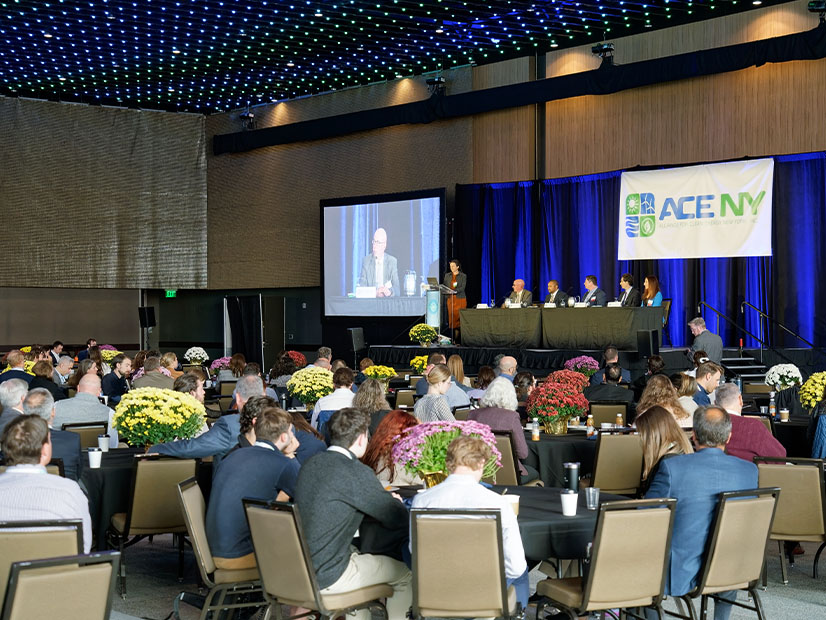
Renewable Energy in a Changing Federal Landscape
In recent weeks, state policymakers, industry leaders, and advocates of clean energy have gathered with a common goal: to push renewable energy development even further despite a federal climate that appears, at times, full of problems. At the Alliance for Clean Energy New York’s Fall Conference in Albany, discussions buzzed with a mix of determined optimism and practical realism. This editorial takes a closer look at the conference’s messages, the near-term renewable energy goals set by the state, and the challenges posed by federal policy obstacles that many believe are intimidating to overcome.
State-Level Optimism vs. Federal Roadblocks
The conference provided an opportunity for New York’s energy decision-makers to find their way around a confusing set of federal guidelines. Even as the federal government has taken steps that some see as off-putting, state leaders have doubled down on their support for renewable projects. The conference underscored that while federal hurdles remain nerve-racking, the state’s forward-thinking policies continue to drive innovation on a regional level.
Challenges in Federal Policy and Resource Adequacy
Many speakers emphasized that federal setbacks have made it difficult for states like New York to meet their ambitious renewable energy targets. Instead of giving up, policymakers are now organizing strategies to steer through the twists and turns of federal regulation. Some of the tricky parts discussed included:
- The tangles in resource adequacy programs that are intended to ensure the grid is reliable yet become complicated pieces in the transition.
- A federal regulatory framework that can feel both intimidating and overwhelming when it clashes with state-level energy ambitions.
- The need for state regulators to get into the fine points of federal vs. state jurisdiction, seeking creative workarounds to maintain progress.
This discussion highlighted how states are working to figure a path forward even when the overarching federal environment is replete with confusing bits and nerve-racking obstacles. State leaders are making it clear that they need strategic flexibility and support to ultimately achieve the essential transformation for our energy future.
Panel Discussion: Balancing Economic Growth and Renewable Energy
One of the standout moments of the conference was a well-attended panel discussion, where experts from various sectors came together to dive in on operational challenges and opportunities. The panel was not only a forum for airing grievances about federal policy but also a platform for discussing actionable next steps that could bring their renewable aspirations to life.
Panelists, including representatives from the New York Department of Environmental Conservation, the New York Department of Public Service, and leading clean energy developers, discussed several issues that are a mix of the good, the complicated pieces, and the nerve-racking bits. Their conversation reflected how states like New York are trying to maintain momentum despite federal policies that often seem loaded with issues.
Favorite Strategies to Cope with Federal Challenges
The session offered a variety of approaches on how to manage your way through the tangled issues that come with federal and state regulatory overlap. Some of the key strategies included:
- Leveraging State Autonomy: State agencies are crafting policies that not only promote renewable investments but also set up local funding mechanisms for resource adequacy programs. These programs are aimed at ensuring that the state’s renewable grid initiatives stay on track despite national policy hurdles.
- Public-Private Partnerships: Many participants cited the importance of holding joint ventures between state agencies and private sector players to mitigate potential funding gaps and to ensure sustained project development.
- Advocacy and Policy Change: A recurring idea was to continue lobbying the federal government to re-examine and possibly rework policies that many see as off-putting. By standing together, state leaders hope to create a coalition that withstands the confusing bits of federal intervention.
These approaches, while not a silver bullet, are critical in developing a roadmap that the state and its partners can follow to eventually meet their renewable energy goals.
Refining the Grid: The Future of Renewable Energy Infrastructure
The discussion at the conference also extended deeply into the state’s plans for updating and expanding its power grid. A modern grid not only needs to be robust enough to handle intermittent renewable energy sources but must also be smart enough to adjust to changing energy demands in real time. Panelists stressed that while the required grid upgrades include several intimidating and complicated pieces, the long-term benefits far outweigh the difficulty of the transformation process.
For example, the evolution of the grid involves modernizing transmission and distribution networks. This process is not only full of problems—given the complexity of reconciling old infrastructure with new technology—but also offers an opportunity to integrate offshore wind, utility-scale solar, and other renewable resources more efficiently.
Detailing the Grid Modernization Projects
A closer look at ongoing grid improvement initiatives revealed several fine points:
- Integrating Offshore Wind: Projects focusing on connecting offshore wind farms to the grid involve setting up advanced transmission lines that can carry power over long distances. These projects are essential in diversifying the energy mix and ensuring energy security on the East Coast.
- Deploying Utility-Scale Solar: Utility-scale solar projects are being developed to meet the growing energy demands, with particular attention to integrating storage solutions that ensure continuous supply during off-peak sunlight hours.
- Enhancing Flexibility in Demand Response: As energy consumption fluctuates daily, state officials and private companies are working together to introduce demand response mechanisms that can quickly adjust the usage when supply meets unexpected spikes in demand.
The overarching message was clear: while the task of revamping the grid is tangled with challenges, it represents a super important step toward securing a cleaner and more efficient energy future.
Addressing the Post-Trump Era and Its Implications
Although many experts have been discussing federal policy changes for decades, the recent post-Trump context has set off renewed debates about the future of renewable energy in America. At the Alliance for Clean Energy New York’s Fall Conference, panelists touched upon how these changes are influencing state strategies. The sentiment among leaders was that, rather than succumbing to a climate of discouragement, the state must continue to harness its inherent strength and put its money where its mouth is when it comes to clean energy initiatives.
This period has been seen as both relieving and intimidating. For many in the industry, the reduced federal emphasis on renewables has forced them to figure a path that leans more heavily on state-level intervention and local market ingenuity. The loss of a cohesive, federal-long-term plan has, in fact, spurred architects of clean energy policy to brainstorm innovative ways to meet their region-specific goals—despite an environment that some describe as overlapping with federal red tape.
Fiscal and Economic Effects on Small Businesses and Manufacturers
Another essential thread running through the conversations was the fiscal impact that these policy shifts have had on small businesses and industrial manufacturers. The renewable energy sector has a multiplier effect that touches on various economic aspects, and the current federal stance has forced local companies to reassess their investment strategies. Notably, state officials are working closely with industry leaders to:
- Streamline tax incentives to make renewable investments more attractive for small enterprises.
- Introduce localized subsidies for industrial manufacturing that adapts renewable technology in its operations.
- Encourage public-private ventures that focus on not only regional job creation but also technological innovations aimed at energy storage and grid enhancement.
Small business owners are increasingly aware that while the federal environment remains intimidating, localized policies can help buffer against potential shocks in the energy market. This adaptive strategy aims to create a win-win scenario where both the economy and the environment benefit.
Energy Market Dynamics and Industrial Expansion
The renewable energy industry is in a continuous state of evolution, and energy market dynamics are no exception. As the state grapples with federal roadblocks, market leaders are focusing on near-term, pragmatic strategies that include not only clean energy production but also the extensive industrial decarbonization of heavy industries. This connection between clean energy and industrial growth is one of the most exciting trends emerging from the conference discussions.
Industry practitioners are calling on sectors like automotive, electric vehicles, and advanced manufacturing to join the energy discussion. They believe that integrating renewable sources into industrial processes can lower overall emissions while boosting competitiveness. While the path to decarbonization is loaded with issues and replete with twists and turns, these sectors are working proactively to make the transition.
Steps Toward Industrial Decarbonization
A few of the strategies highlighted by market analysts and industry leaders include:
- Retrofitting Existing Facilities: Older manufacturing plants are being updated with energy-efficient technologies, including electric machinery and modern controls that better integrate with renewable sources.
- Investing in Electric Vehicles: The automotive sector is changing drastically, with many manufacturers now prioritizing electric vehicles. The growth in this market requires parallel investments in charging infrastructure that can support a rapidly expanding fleet of electric cars.
- Advanced Energy Storage Systems: As renewable energy sources are inherently intermittent, robust storage systems—ranging from battery banks to advanced grid-scale storage—play a crucial role in maintaining a consistent energy supply for industrial operations.
These measures, although off-putting in their scale and complexity, represent key steps for industrial players who want to remain competitive while contributing to the broader decarbonization of the economy.
Transmission and Distribution: Bridging the Gap Between Policy and Practice
Transmission and distribution form the backbone of any renewable energy system. The conference made it clear that without robust transmission infrastructure, even the best renewable projects can falter. A number of experts dedicated significant time to discussing how improved transmission planning can serve as the critical link between state initiatives and consumer benefits. While creating these advanced systems is often a nerve-racking proposition, due to the multiple layers of regulation and technical challenges, there is a consensus that these upgrades are super important.
Historically, a number of projects have faced delays due to a combination of federal and state red tape. However, participants at the conference are optimistic that with collaborative planning and targeted federal support, these delays can be minimized. The key is to continue working together, with regulators, utility companies, and private investors all finding their way to collaborate effectively.
Key Elements in Upgrading the Grid Infrastructure
Let’s break down some of the subtle parts involved in bringing a next-generation grid online:
- Advanced Transmission Lines: Upgrading aging infrastructure with smart, high-capacity lines is essential for handling increased power flows from renewable sources. Such projects require not only technological innovation but also a clear-eyed assessment of regulatory challenges.
- Distribution Network Modernization: Modern distribution systems aim to integrate tools like smart meters and real-time energy management systems. This shift ensures that consumers and industrial users alike can enjoy a more reliable and efficient energy supply.
- Cross-Regional Grid Interconnections: Improving coordination between regional energy systems, such as NYISO’s network, the PJM grid, and others, enhances system reliability. Cross-regional connections help balance energy loads and provide critical backup during peak periods.
These elements may seem like small distinctions in the grand scheme of energy policy, but together they help form a resilient grid that can support a future powered by renewable energy. The goal is to ensure that the state emerges resilient, even when federal policies seem tangled or off-putting.
Decentralization and the Rise of Localized Energy Solutions
One recurring theme at the conference was decentralization. With federal policies proving, at times, to be more of a hindrance than a help, states have turned their attention to localized energy solutions. By taking charge of their energy destinies, states like New York are making significant progress in achieving self-sufficiency. This model includes, but is not limited to:
- Increased support for community solar projects that directly benefit local residents.
- Promotion of microgrid development in suburban and rural areas to ensure energy independence during emergencies.
- Support for local manufacturing of renewable energy components, which not only shortens supply chains but also boosts regional economies.
Localized approaches can bypass some of the intimidating and tangled issues associated with federal-level regulation. They make it easier for local authorities and businesses to figure a path toward a more sustainable future without feeling overwhelmed by the bureaucratic labyrinth at the national level.
Local Business Impact Amid Federal Policy Uncertainty
Small businesses and even large industrial manufacturers are beginning to see real benefits from decentralized policies. Some of the key impacts include:
- Job Creation: Local initiatives are generating jobs in installation, maintenance, and manufacturing of renewable energy systems. This has clear economic benefits for communities that have traditionally relied on more industrial operations.
- Increased Investment: With a more stable regulatory environment at the state and local level, investors are gaining the confidence needed to back innovative energy solutions.
- Customized Energy Solutions: Localized projects can be designed to meet the specific needs of communities, ensuring that energy solutions are flexible enough to serve diverse areas—from dense urban centers to sprawling rural regions.
These benefits illustrate that even amid a federal environment that some observers may deem intimidating, there is room for progress at the community level. Such initiatives not only enhance energy security but also drive localized economic growth by tapping into regional resources and talent.
Technological Innovations Driving Change
Technology is at the heart of the renewable energy revolution. The conference was peppered with sessions dedicated to discussing emerging technologies that promise to ease some of the confusing bits of managing a modern energy grid. From improvements in grid intelligence to next-generation energy storage solutions, technology is seen as the linchpin in resolving many of the subtle parts that currently inhibit rapid renewable energy expansion.
Experts in the field are optimistic that as technology continues to advance, it will address many of the nerve-racking challenges related to integrating renewables on a large scale. Some technological trends that have gained traction include:
- Smart Grids: Utilizing real-time data, smart grids can adjust dynamically to changes in energy supply and demand, ensuring a more resilient and efficient energy distribution system.
- Advanced Energy Storage: Cutting-edge battery technologies and alternative storage methods, such as pumped hydro and compressed air storage, are crucial in handling the intermittent nature of renewable energy production.
- Distributed Energy Resources (DERs): These innovations facilitate the integration of small-scale, local energy production sources like rooftop solar panels and wind turbines, thereby lessening the reliance on large, centralized power plants.
All these technologies not only help in achieving operational efficiency in day-to-day processes but also serve as critical components in overcoming federal and state-level hurdles. They represent a promising future where technical improvements will make it considerably easier for states to meet ambitious renewable targets despite policy challenges.
Trends to Watch in Clean Tech
Alongside current projects, several emerging trends are intriguing observers and industry experts alike:
- Integration of AI and machine learning in grid management to forecast energy demand more accurately and optimize energy flow.
- Development of hybrid renewable systems that combine solar, wind, and storage solutions to create more reliable energy supply systems.
- Expansion of electric vehicle (EV) infrastructure, which not only supports cleaner transportation but also acts as an additional load-balancing resource for power grids.
These innovations illustrate that despite a federal policy environment sometimes riddled with tension, technology continues to drive change. Clear-eyed perspectives on innovation are helping the state and its industries to manage their way through these tricky parts and create a more adaptable and resilient renewable energy ecosystem.
Looking Ahead: A Vision for Tomorrow
As the Alliance for Clean Energy New York’s Fall Conference came to a close, the conversations among state policymakers, industry leaders, and local business owners left an unmistakable impression: the drive toward a renewable energy future is intensifying even in the face of federal challenges. The post-Trump era, with all its residual policy twists and turns, has not diminished the state’s potential to serve as a leader in clean energy. Instead, it has catalyzed an environment where innovation, resilience, and local determination take center stage.
Moving forward, stakeholders must harness the momentum created by such gatherings, employing all available local and technological resources to continue making progress. While the federal policies may sometimes seem intimidating and full of problems, the combined efforts of local governments, private investors, and community advocates are building a robust framework that is nimble enough to adapt and grow.
Strategic Priorities for the Next Decade
In light of these discussions, several strategic priorities have emerged for policymakers and industry leaders:
- Enhance Coordination: Strengthen ties among state agencies, local governments, and private sector partners to ensure that renewable energy policies are implemented effectively and in a coordinated manner.
- Support Technological Advancements: Continue investing in smart grid technologies, advanced storage solutions, and integrated EV infrastructure that can collectively help reduce the nervousness around large-scale renewable integration.
- Promote Economic Inclusivity: Ensure that the benefits of renewable energy initiatives, including job creation and local investment, are widely shared across communities, especially those that have historically depended on more traditional energy sources.
- Advocate for Realistic Federal Policies: Work collectively to communicate the challenges posed by current federal guidelines and push for reforms that acknowledge the state’s needs while promoting a harmonized national approach to renewable energy.
These priorities are not just policy recommendations; they represent a shared vision for a future that is both sustainable and economically robust. By finding your way through confusing bits of bureaucracy and leveraging local strengths, New York and other forward-thinking states can set a national example for balancing environmental goals with economic competitiveness.
Conclusion: Embracing a Resilient Energy Future
The Alliance for Clean Energy New York’s Fall Conference has provided a clear snapshot of how regional leadership can drive change amid a turbulent federal backdrop. It has become evident that while federal policy has its off-putting and overwhelming side, states are already responding by implementing adaptive strategies that focus on practical, near-term goals. Whether it is through creative grid modernization, advanced technological adoption, or the nurturing of public-private partnerships, there is a palpable sense of resolve to ensure that renewable energy and industrial progress march hand in hand.
As industry leaders and policymakers continue to work through the tangled issues of a divided regulatory landscape, one thing remains certain: the path to a clean, integrated, and economically inclusive energy future is hard fought, yet filled with promise. New York’s commitment to renewable energy, even when facing tricky parts of federal policy, paves the way for other states and regions to reimagine their energy strategies.
Ultimately, the conversation is about more than just policy—it’s about building a resilient future where economic growth, environmental integrity, and social progress are all intertwined. With innovative technological solutions, a clear strategic vision, and the enduring spirit of local advocacy, the journey toward a sustainable energy future is well under way. The discussions and actions from this conference provide a roadmap for other stakeholders to follow, ensuring that despite any federal setbacks, the march toward clean energy remains unstoppable.
In these transformative times, state leaders and energy advocates continue to prove that while federal roadblocks may be intimidating and the path may be filled with twists and turns, the determination to craft a better future is more robust than ever. The fusion of local ingenuity, technological prowess, and economic pragmatism is not only setting a precedent today but also lighting the way for future generations.
As this journey unfolds, it is critical to remember that the challenges are many and the details are subtle. However, by staying engaged, embracing the fine points of the evolving energy landscape, and remaining steadfast in the face of regulatory challenges, we can all contribute to building a cleaner, more resilient, and more prosperous future for everyone.
Originally Post From https://www.rtoinsider.com/118069-ny-renewables-conference-near-term-goals-post-trump-hopes/
Read more about this topic at
RESolve
RESOLVE – E3

