
Rethinking Urban Transit: An Opinion on the Yonge North Subway Extension
The bustling corridors of modern cities are continuously reshaped by ambitious infrastructure projects. One such project, the Yonge North Subway Extension, offers a glimpse into the future of urban transit. This editorial takes a closer look at the project, discussing not only the impressive engineering feats but also the practical, everyday impacts it could have on communities. In doing so, we’ll dig into the fine points of its execution, from the tunnel launch shaft to the final tunnel portal, while offering balanced opinions on the potential upsides and challenges.
As urban dwellers, we have all experienced the twists and turns of transit projects in our communities. From the intimidating construction sites to the nerve-racking disruptions in our daily routines, every project is loaded with both problems and possibilities. The Yonge North Subway Extension is no exception. With its elaborate design and strategic planning, this project draws significant attention from local residents, business owners, and policy experts alike.
Understanding the Construction Process: From Launch Shaft to Tunnel Portal
Behind the scenes of the Yonge North Subway Extension lies a series of clever engineering strategies designed to streamline the construction process. Central to this is the temporary tunnel launch shaft, which serves as the starting point for the 6.3-kilometre journey that tunnel boring machines (TBMs) will undertake. This shaft is more than just an excavation site—it is the heart of the project, where heavy equipment, construction materials, and the TBMs are meticulously prepared and deployed.
Breaking Down the TBM Launch Shaft
The TBM launch shaft is essentially a deep, reinforced pit that will soon become the hub for the tunnel boring process. Its construction involves several careful stages:
- Excavation and Support: Initially, workers install robust concrete support walls to maintain the shaft’s stability. This stage is critical in ensuring that the structure remains secure during the subsequent removal of soil.
- Concrete Pouring: After the soil is removed in stages, reinforced concrete is poured into the shaft. This process forms a sturdy slab that will eventually support the TBMs during their operation.
- Equipment Storage: Once completed, the launch shaft will also function as a storage site for essential construction equipment and materials, including concrete segments that will later construct the tunnel walls.
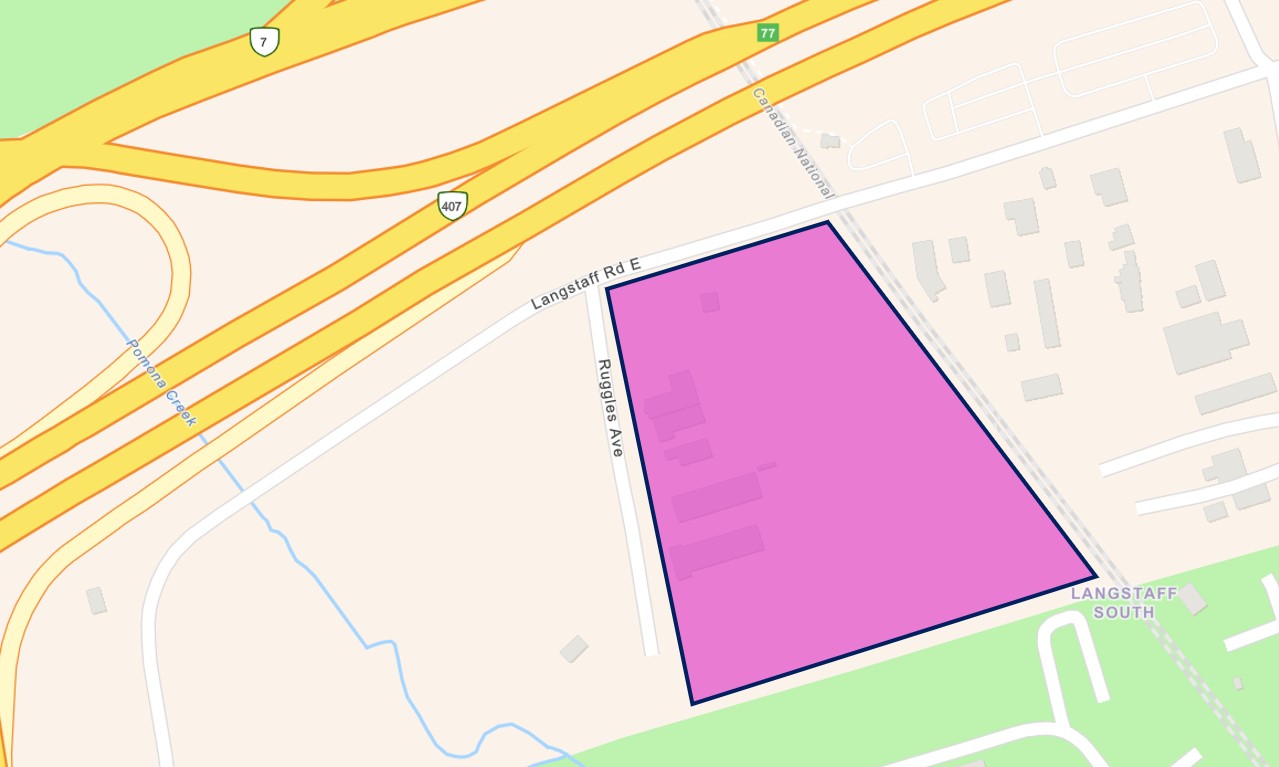
Although the science behind tunnel boring has some intimidating bits, the ongoing innovations in engineering have made it a standard method worldwide. The method is already familiar to many, thanks to previous projects like the Eglinton Crosstown West Extension. The preview of the TBM launch shaft, as seen from Markham off Langstaff Road, gives us a tangible sense of progress and purpose.
The Tunnel Portal: A Gateway to the Future
Equally important is how the project plans to repurpose the launch shaft site after the TBMs have finished their tunnelling journey. Once the massive machines retire at Finch Station, the temporary construction site will be transformed into the tunnel portal. This permanent structure serves as the gateway for subway trains, transitioning them safely from the subterranean tunnel to the surface. The retrofit involves:
- Demolition of Temporary Infrastructure: Removing temporary structures and replacing them with more durable, permanent components.
- Installation of Reinforced Concrete Foundations and Walls: Building a strong foundation that supports both the portal structure and the safe movement of trains.
- Waterproofing and Drainage: Implementing systems to keep the tunnels dry and safe for continuous transit use.
Together, the TBM launch shaft and tunnel portal represent the full life cycle of a vital piece of the project, bridging the gap between temporary, heavy-duty construction and the creation of a lasting transit solution. For many residents, these developments are a bold leap toward more efficient, integrated public transportation.
Balancing Progress and Community Impact
Large-scale transit projects such as the Yonge North Subway Extension naturally bring about a mix of enthusiasm and unease within the communities they affect. On one hand, there is the promise of enhanced mobility, economic growth, and a better quality of life. On the other, the temporary disruptions during construction can be both nerve-racking and overwhelming for local businesses and residents.
Community Engagement and Transparent Communication
One of the critical factors in any successful urban infrastructure project is effective community engagement. Authorities and project managers strive to keep affected communities in the loop through multiple communication channels. This approach includes:
- Advance Notifications: Informing locals well ahead of any construction work, mitigating the potential shocks that come with sudden changes.
- E-Newsletters and Public Meetings: Regular updates can ease the tension by highlighting progress, addressing community questions, and sharing next steps.
- Dedicated Contact Points: Offering direct lines of communication through email (such as [email protected]) and phone ensures that community concerns are not left unheard.
By sorting out the nitty-gritty communication challenges, the project managers at Metrolinx demonstrate their commitment to not only build efficient transit but to do so with minimal strain on daily routines. This careful management of public relations aims to steer through any misunderstandings and promote an inclusive process.
Managing Construction Impacts: Tackling the Tangled Issues
The construction phase brings with it several tricky parts that can have short-term negative impacts if not handled carefully. The team working on the project is fully aware of these and has put measures in place to manage and reduce the potential disturbances. Key strategies include:
- Noise and Vibration Control: Advanced techniques are used to predict and mitigate the small distinctions and subtle details of noise, ensuring that residential areas experience minimum disturbance.
- Dust and Mud Management: Dedicated cleaning protocols are in place to prevent messy worksites from spilling over into nearby communities, keeping local streets clean and safe.
- Efficient Truck Routes: Thoughtful planning of truck routes helps in maintaining smooth traffic flow and reducing the risk of accidents or delays.
While these mitigation measures might not completely eliminate the temporary inconveniences, they offer a crucial balance by making the process as smooth and organized as possible. Residents and local businesses can better plan their days, and the community feels supported through a transparent process designed to manage the tricky parts effectively.
Engineering Innovations and Urban Revitalization
Beyond operational and construction logistics, the Yonge North Subway Extension represents a broader crossroads in urban development. The project embodies innovative engineering and forward-thinking in meeting today’s transportation needs while preparing for tomorrow’s urban challenges.
Advancements in Tunnel Boring Techniques
One of the standout elements of this project is the cutting-edge use of tunnel boring machines (TBMs). These machines have revolutionized the way cities build corridors beneath their streets. Several engineered benefits include:
- Precision and Safety: With the help of robotic technology and real-time monitoring systems, the TBMs navigate safely among underground utilities and existing infrastructure.
- Efficiency in Construction: The ability to dig non-stop under the city significantly reduces the overall construction time and minimizes surface-level disruptions.
- Environmental Considerations: By confining most of the heavy activity underground, issues like noise and dust are controlled much better, thereby reducing environmental harm.
This blend of modern machinery and old-fashioned engineering know-how showcases how the project is not just about creating space for transit, but about bringing a new standard to city planning. Such a move is not only super important for today’s urban dwellers but also sets a benchmark for future projects.
Urban Revitalization Through Improved Transit
The broader implications of the subway extension stretch beyond the physical construction. When cities invest in robust transit solutions, they lay the groundwork for urban revitalization. Enhanced public transportation leads to:
- Economic Boosts: New transit routes can increase access to employment opportunities, stimulate local businesses, and foster regional development.
- Increased Property Values: Areas that are well-connected by subway lines often see a rise in home values due to heightened accessibility and convenience.
- Reduced Traffic Congestion: With more reliable transit options, fewer people rely on personal vehicles, leading to less traffic and lower emissions.
There is a clear interplay between the fine details of a transit extension and the larger economic impacts it can yield. In this manner, the new subway line is not merely an additional route—it is a catalyst for community transformation and economic opportunity.
The Fine Points of Urban Transit Policy and Investment
As we appreciate the engineering marvels and community engagement strategies at play, it is equally important to consider the broader context in which such projects are developed. Urban transit projects are deeply interwoven with economic policies and public investment decisions, which are both challenging and critical to getting things done.
Economic Impacts and Business Considerations
Every major infrastructure project has ripple effects on the local and regional economies. The Yonge North Subway Extension is no different, influencing various aspects of business and taxation:
- Business Disruption and Recovery: While the project may cause temporary disruptions, the long-term benefits include improved access to markets and better distribution logistics for businesses.
- Tax Revenues and Public Investment: Increased economic activity from enhanced transit options often leads to a stronger tax base, which in turn can fund further public services and improvements.
- Opportunities for Small Businesses: With greater connectivity, small businesses can find new markets, attract customers, and even benefit from increased tourism and foot traffic in revitalized neighborhoods.
Understanding the small twists in economic policy helps local stakeholders make informed decisions. It also highlights the essential role that government investment plays in facilitating sustainable urban growth, even when the immediate picture might seem off-putting due to construction challenges.
Balancing Short-Term Inconveniences with Long-Term Gains
Some residents and business owners might view the construction process as a nerve-racking interruption to their daily routines. However, it is important to recognize that these temporary inconveniences work as stepping stones toward a more efficient transit system. The balance of these factors can be summarized as follows:
| Key Aspect | Short-Term Challenges | Long-Term Gains |
|---|---|---|
| Traffic Disruptions | Detours, delays, and increased congestion | Reduced traffic congestion and smoother commutes once the project is complete |
| Noise and Dust | Temporary inconvenience for local residents | Improved air quality and a quieter environment with an underground route |
| Economic Adjustments | Disruption to small businesses and local services | Stronger local economy stimulated by better transit links and increased customer access |
Such a tabular overview helps illustrate that while the immediate effects can be challenging, they are part of a broader strategy aimed at delivering long-term benefits that outweigh the temporary setbacks.
The Role of Government and Private Sector Collaboration
The successful execution of a project of this scale depends significantly on the cooperative spirit between government agencies and private contractors. In many ways, these partnerships are the engine that drives large-scale projects from conception to completion. Here are some highlighted aspects of this collaboration:
Inter-Agency Coordination and Oversight
Metrolinx, as an agency of the Ontario Government, plays a crucial role in ensuring that every element of the project aligns with broader transportation and economic policies. Their responsibilities include:
- Strategic Planning: Coordinating with multiple governmental bodies allows for integrated planning that considers regional and provincial needs.
- Budget Management: Allocating funds wisely so that every dollar spent contributes to a safer, more efficient transit system.
- Regulatory Compliance: Ensuring that construction methods and materials meet the required public safety and environmental standards.
This kind of inter-agency management helps to steer through the confusing bits of regulatory requirements and to figure a path through the various challenges that arise with a project of such a scale. The combined efforts of Metrolinx and its partners ensure that every step taken is measured and aligned with a larger vision for urban mobility.
Private Sector Innovations and Their Impact
On the private side, contractors and engineering firms bring their own set of creative solutions to manage the practical twists and turns that come with underground construction. Their innovations include:
- Advanced Machinery and Technology: Utilization of high-tech TBMs enables precision excavation and reduces unexpected surprises.
- Efficient Project Management: Cutting-edge software and digital monitoring systems allow for real-time updates and quick decisions during construction.
- Innovative Construction Techniques: From modular construction of tunnel walls to effective drainage systems, private firms contribute essential engineering insights that streamline the project.
This kind of collaboration ensures that both government interests and private sector strengths mesh well to overcome the little twists and tangled issues that are often encountered in such projects. A well-coordinated joint effort is a key component in achieving a balance between progress and minimal disruption.
Environmental and Social Considerations
While the improvements in transit infrastructure bring many positive changes, it is also important to acknowledge the environmental and social dimensions underlying such developments. Sustainable construction and fairness in public projects are essential factors that must receive focused attention throughout the building process.
Sustainable Practices in Construction
The Yonge North Subway Extension incorporates numerous eco-friendly methods to reduce its environmental impact. These practices include:
- Energy-Efficient Equipment: Modern TBMs and construction machinery operate with energy-saving technologies that not only help to reduce emissions but also lower overall operational costs.
- Waste Management: A comprehensive plan is in place to manage excavated soil and debris responsibly by transporting it to designated disposal sites.
- Waterproofing and Drainage Systems: These systems are designed to prevent water infiltration and ensure that the tunnels remain dry and safe, thereby protecting the surrounding ecosystem.
By employing sustainable construction techniques, the project minimizes its environmental footprint. These efforts not only help to mitigate the short-term negative impacts but also lay the groundwork for greener, more sustainable urban development. Additionally, these careful measures demonstrate that even large-scale infrastructure can work in harmony with nature.
Social Impact and Community Benefits
Beyond the physical construction and environmental considerations, the project promises significant social benefits. Improved transit infrastructure can lead to:
- Better Access to Services: Efficient transit routes connect underserved areas with essential services like healthcare, education, and employment opportunities.
- Enhanced Community Cohesion: As transit hubs often serve as community focal points, they can foster closer social ties and improved public safety.
- Reduction in Traffic-Related Stress: With more options available, residents can enjoy less congested commutes and a higher quality of daily life.
Social issues, while sometimes seen as off-putting in the short term due to construction disturbances, gradually give way to long-standing benefits. Ultimately, projects like the Yonge North Subway Extension underline the importance of prioritizing community well-being alongside technological and economic advancements.
Looking Ahead: Benefits and Future Challenges
While this expansive project is packed with potential benefits, it also comes with its own set of challenges. As we pivot our gaze to the future, it is important to consider both sides of the debate regarding large-scale transit development.
The Promise of New Transit Opportunities
The advantages of a fully operational subway extension are numerous. Key long-term benefits include:
- Improved Mobility: The extended subway line will provide an essential alternative to road travel, thereby easing congestion and reducing travel times.
- Boost for Local Economies: With better connectivity, local businesses stand to gain from increased patronage and broader market reach. Retail establishments, restaurants, and service industries will benefit from the inflow of daily commuters.
- Enhanced Urban Planning: Upgraded transit routes stimulate smart city projects and can motivate further investments in infrastructure, housing, and public amenities.
It is important to acknowledge that, amid the confusing bits of a large urban project, these long-term benefits are super important. They ensure that the sacrifices made today—in the form of temporary noise, dust, and construction diversions—yield a sustainable and enhanced quality of urban life tomorrow.
The Challenges of Ongoing Urban Expansion
Despite these anticipated benefits, challenges remain. Moving forward, city planners and engineers must continue to address several key areas:
- Maintaining Community Trust: Ensuring continuous, honest communication with residents is critical. The dialogue must remain open even when projects stray into tricky parts or tangled issues.
- Adapting to Technological Changes: As transit technology evolves, future projects will need to integrate newer, more efficient systems. Keeping current systems compatible with these advancements poses its own set of complicated pieces.
- Financial Oversight: Cost overruns, funding uncertainties, and budget reallocations are always potential stress points in large public projects. Effective financial management is necessary to ensure projects are completed within their expected time frame and budget.
While these challenges might seem overwhelming at first glance, history shows that well-managed projects, combined with community support and adaptive planning, tend to overcome even the most nerve-racking hurdles. The Yonge North Subway Extension stands as a testament to this spirit of resilience and innovation.
Final Thoughts: Transforming Urban Transit One Step at a Time
The Yonge North Subway Extension offers an excellent case study of how complex transit projects can bridge short-term disruptions with long-term benefits. Its innovative approach to constructing a tunnel launch shaft, and later repurposing that same site into a functional tunnel portal, reflects both the technical expertise and the community-focused mindset of the project team.
Community engagement, environmental sustainability, and careful public-private collaboration form the backbone of this transit project. As residents and business owners experience the mild inconvenience of construction today, they can look forward to a future where mobility, economic growth, and a cleaner environment go hand in hand. The thoughtful details of the project—from noise management to efficient truck routes—demonstrate that even the small twists in the construction process are carefully managed to support a greater public good.
In our ever-changing urban landscape, projects like the Yonge North Subway Extension are more than just concrete and steel; they are part of a broader narrative of progress. They signal a transformation in how cities plan, build, and sustain themselves, helping to create urban areas that are better equipped to manage today’s challenges and tomorrow’s opportunities.
As we take a closer look at the small distinctions that make up this project—from the delicate balance of managing dust and mud to the extensive engineering behind the TBM launch shaft—it becomes clear that the implementation of such tasks involves both careful planning and bold innovation. The benefits this project promises, from improved connectivity to a boost in local economies, are poised to redefine urban living in the region.
Key Takeaways for Urban Transit Enthusiasts
For readers interested in the details of modern transit development, the following points summarize the core messages of the Yonge North Subway Extension project:
- Innovative Engineering: The use of state-of-the-art TBMs and the transformation of the launch shaft into a permanent tunnel portal showcases engineering prowess.
- Community-Centric Planning: Transparent communication strategies and proactive community engagement are critical to balancing progress with everyday convenience.
- Sustainable Urban Development: By integrating eco-friendly practices in construction and waste management, the project is a model of sustainable transit expansion.
- Economic and Social Benefits: Improved transit connectivity promises to stimulate local economies, enhance access to services, and bring communities closer together.
- Ongoing Challenges: Effective management of short-term disruptions and financial oversight remain key to ensuring that long-term benefits are realized without compromising local quality of life.
Ultimately, the Yonge North Subway Extension project stands as a progressive development in urban transit planning. It illustrates the balance between managing the nerve-racking, challenging parts of construction and delivering a future where efficient and sustainable transit redefines everyday life.
A Roadmap for Future Infrastructure Projects
Looking ahead, there are several lessons that other urban infrastructure projects can learn from the Yonge North Subway Extension:
- Effective Communication Channels: Ongoing updates via e-newsletters and public calendars ensure that community members know what to expect, reducing anxiety during the most intense construction phases.
- Collaborative Project Management: The synergy between government agencies and private contractors serves as a model for transparent, efficient project delivery.
- Commitment to Sustainability: Through responsible waste disposal, energy-efficient operations, and robust environmental safeguards, urban development can align with ecological preservation goals.
- Adapting to Change: The willingness to adjust plans in response to emerging issues helps to mitigate the overwhelming aspects that typically accompany large-scale projects.
This extended roadmap not only emphasizes technical proficiency but also highlights the importance of community trust and respite in the face of inevitable disruptions. For urban planners and public policy experts, understanding these detailed measures provides a practical guide for future projects that aim to blend rapid development with social and economic resiliency.
Conclusion: A Bold Step Toward a Connected Future
In closing, the Yonge North Subway Extension stands at the forefront of urban transit innovation, weaving together advanced engineering with thoughtful community strategies. Though the path ahead is dotted with tricky parts and confusing bits, the project’s commitment to minimizing short-term discomfort for long-term advantages is clear.
As we continue to see the evolution of our cities, infrastructure projects like these remind us that progress is often a mixture of both challenges and triumph. The transformation—from a robust TBM launch shaft to a sleek, functional tunnel portal—symbolizes the journey of many urban innovations. It teaches us that while the twists and turns of construction might seem overwhelming, the end result promises improved connectivity, a stronger economy, and a revitalized urban landscape.
For residents, business owners, and policymakers alike, the project is a call to appreciate the small details that collectively shape monumental change. It is a cautionary tale about balancing short-term inconveniences with long-haul benefits, and a hopeful vision of a future where every intricate step is a pathway to lasting, positive transformation. In a time when urban transit is more essential than ever, the Yonge North Subway Extension is not just a transportation project—it is a beacon of innovative thinking and steadfast commitment to building a connected future.
Originally Post From https://www.metrolinx.com/en/projects-and-programs/yonge-north-subway-extension/what-were-building/tunnel-launch-shaft-and-portal
Read more about this topic at
Transit Expansion in the United States: A 2024 …
Which US cities looks to have future expansion and/or …

