Samsung C&T’s Solar Triumph: A New Chapter in Renewable Energy Infrastructure
The decision by Samsung C&T Engineering & Construction (E&C) Group to undertake Qatar’s largest-ever solar power project marks a turning point in the renewable energy sector. This ambitious project, the 2,000MW Dukhan Solar Power Project, is not only a milestone for the company but also serves as an essential pivot for Qatar’s broader energy aspirations as laid out in its National Vision 2030.
At the heart of this bold initiative is the commitment to harness renewable energy while addressing some of the trickier parts of developing large-scale infrastructure in a demanding environment. With a projected project value of KRW 1.46 trillion and sprawling across 27㎢, this venture is set to power roughly 750,000 households by 2030—even under the challenging circumstances of Qatar’s high per-capita energy use. Large-scale projects like this demand careful handling of the confusing bits and the tangled issues that crop up when working within extreme environmental conditions and complex engineering parameters.
The Dukhan Solar Power Project: A Landmark Initiative in Qatar’s Energy Transformation
Commissioned by QatarEnergy, the newly contracted Dukhan Solar Power Project stands as the largest capacity solar facility ever undertaken by a Korean construction company. The sheer scale of the project is mind-boggling when one considers that it will incorporate 2.74 million solar panels spread over an area equivalent to 3,790 football fields.
This project is more than just a number or technical specification—it symbolizes a transformative step towards a renewable energy future in a region that has traditionally relied on fossil fuels. Qatar’s involvement in this renewable venture is part of a larger, well-orchestrated plan aimed at transitioning energy sources and stimulating sustainable economic growth. While the project’s technical and logistical challenges might seem intimidating at first glance, the strategic pairing of Samsung C&T’s engineering expertise with QatarEnergy’s visionary approach creates a powerful synergy set to overcome every nerve-racking twist and turn.
Key Project Details and Specifications
A closer look at the Dukhan Solar Power Project reveals a number of important details that underline its significance:
| Parameter | Details |
|---|---|
| Project Capacity | 2,000MW |
| Project Value | KRW 1.46 trillion |
| Site Area | 27㎢ (approx. 3,790 football fields) |
| Solar Panels | 2.74 million |
| Households Powered | Approx. 750,000 by 2030 |
This straightforward table encapsulates the fine points of the project’s scale and ambition. Clearly, achieving these targets will require more than just conventional wisdom—it demands forward-thinking engineering solutions and a robust strategy to manage every little twist that emerges as the project progresses.
Technological Prowess: Overcoming the Challenges of a Desert Environment
Taking on a project of this magnitude in the harsh desert climate of Dukhan means that every engineering decision must not only address the obvious technical aspects but also the subtle details shaped by local environmental conditions. Samsung C&T E&C plans to incorporate state-of-the-art solar tracking systems that follow the sun’s path to optimize power generation throughout the day. These systems are designed to face the tricky parts that come with operating under extreme temperatures, ensuring that energy production remains consistent even under challenging conditions.
In addition to advanced solar trackers, the project will also utilize cutting-edge inverters that are engineered to withstand the intense and sometimes nerve-racking desert climate. These inverters convert the solar panel output into usable electricity efficiently while dealing with the additional load of dust, heat, and the occasional unexpected weather changes. Investing in these technologies is super important because they mitigate the complexities and enable the plant to perform reliably over its operational lifetime.
This technology-driven approach is not just about making the project work; it is also a statement of intent regarding the role of innovation in the renewable energy field. By using advanced technical solutions that handle the complicated pieces of desert engineering, Samsung C&T E&C is setting new standards for what is possible in some of the harshest climates on the planet.
Overcoming Environmental Challenges: Solar Tracking and Advanced Inverters
Here are some of the core technologies that form the backbone of the Dukhan Solar Power Project:
- Solar Tracking Systems: These systems adjust the panels to follow the sun’s movement throughout the day, maximizing efficiency and energy capture.
- Advanced Inverters: Engineered to be robust under extreme conditions, these devices convert solar energy to electricity, ensuring stable performance despite the desert’s demanding climate.
- Robust Construction Materials: Specially selected to withstand high temperatures and the abrasive conditions of a desert environment, ensuring longevity and reliability.
These components represent more than just technical equipment; they illustrate a commitment to deep innovation, addressing every nerve-racking twist thrown up by nature. For developers and engineers facing similar conditions, navigating these challenging bits requires a combination of meticulous planning and creative problem-solving—qualities that are clearly on display in this project.
Partnerships and Global Expansion: Charting a New Course in the Renewable Energy Sector
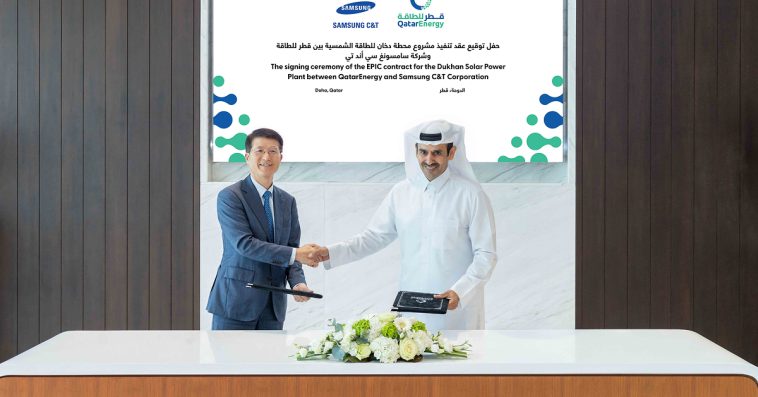
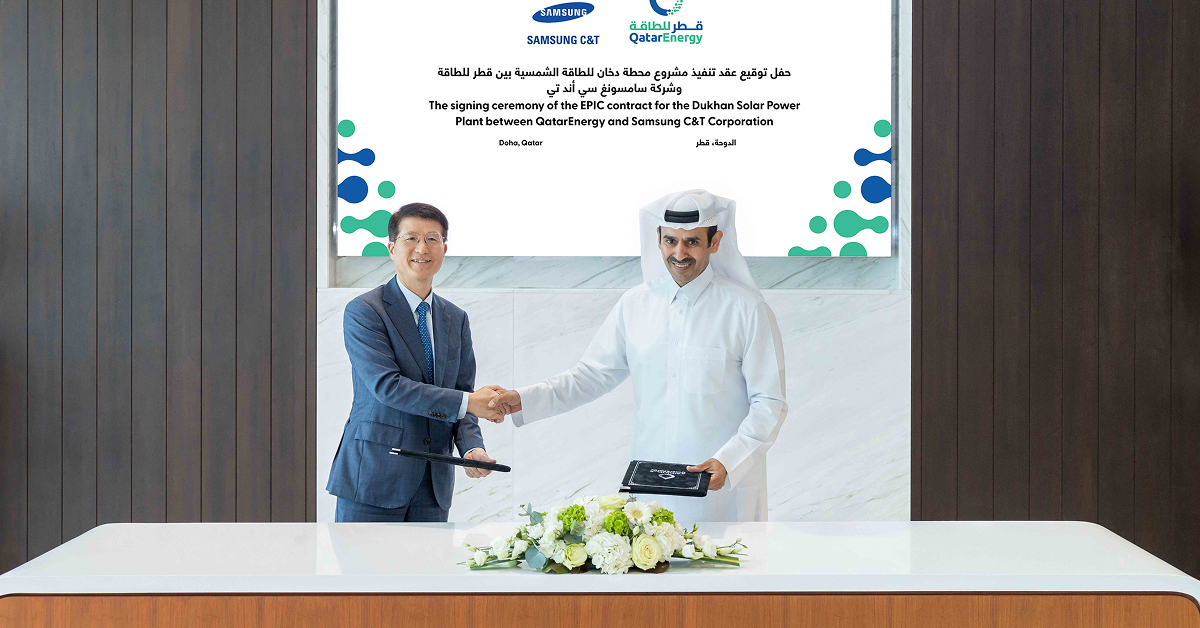
The partnership forged between Samsung C&T E&C and QatarEnergy is emblematic of a broader shift in global energy strategies. The contract signing that brought together top executives including Samsung C&T President & CEO Se-chul Oh and Qatar Energy’s Saad Al-Kaabi was not just about ink on paper; it signified a meeting of minds with a clear focus on innovation and shared risk-taking in renewable infrastructure projects.
Samsung C&T E&C’s track record in Qatar—a region already familiar with its previous projects in Ras Laffan and Mesaieed—has paved the way for its leadership in renewable energy across multiple regions. With the Dukhan Solar Plant, the company’s capacity will soon account for nearly 80% of Qatar’s total solar power generation capability. This is a remarkable achievement that underscores the reliability and forward-thinking nature of Samsung C&T’s proposals.
Beyond Qatar, the Group is actively expanding its footprint on a global scale. Current projects not only span the Middle East but also include large-scale solar projects in Guam. Moreover, the company is setting its sights on promising markets such as Australia and Japan, where there is strong demand for renewable energy solutions. This international effort goes hand-in-hand with their investments in battery energy storage systems (BESS), making the Group a full-spectrum player in the renewable energy market.
This shift toward global expansion is driven by the need to figure a path through an ever-complex world of energy demands. Samsung C&T’s ability to manage the challenging bits of cross-border project execution while finding innovative solutions nationally and abroad positions the company as a key influencer in shaping the future of renewable energy worldwide.
Global Strategy and Market Diversification
Samsung C&T E&C’s international strategy revolves around several core principles:
- Leveraging Proven Expertise: Drawing on successful projects in Qatar to build trust and secure future contracts globally.
- Diversified Portfolio: Engaging in solar, battery storage, and other renewable projects to hedge against uncertainties in any one technology or market.
- Strategic Partnerships: Collaborating with regional energy leaders to blend local insights with global innovation.
- Scalable Solutions: Developing systems and technologies that can be adapted for various geographic and climate challenges.
This global approach not only spreads geographical risk but also stimulates competitive technological advances among international players. Even when the landscape feels loaded with problems, these strategies help companies like Samsung C&T not only survive but thrive in an increasingly competitive arena.
Implications for the Energy Sector and Qatar National Vision 2030
The Dukhan Solar Power Project is deeply intertwined with Qatar’s long-term strategy under its National Vision 2030. Aside from reducing the country’s reliance on conventional fossil fuels, this project is a key component in the nation’s plan to foster sustainable economic growth and create a diversified and innovative business environment.
Transitioning from traditional energy sources to renewables is, in many ways, a lesson in managing your way through a maze of regulatory and technological challenges. Countries like Qatar are learning to navigate or, more aptly, find their path through politically charged and technically complicated landscapes. The solar project not only meets energy needs but also acts as a model for future investments in renewable energy infrastructure, setting an example for other nations that are eager to make the switch.
One of the off-putting aspects of large-scale renewable projects is the uncertainty that can bubble up during the planning and construction phases. Nevertheless, projects like the Dukhan plant instill confidence by demonstrating that careful planning, reliable partnerships, and technological advances can help steer through even the most intimidating hurdles. For policy makers and industry experts, this initiative serves as a case study in converting ambitious national objectives into tangible, large-scale reality.
Economic and Environmental Impact
While the economic benefits are clear—a boost to local employment, enhanced technological capabilities, and fostering a climate for further investments—the environmental implications are equally important. The project will significantly reduce carbon emissions by replacing oil-fired energy with clean, renewable power. This environmental win is central to Qatar’s broader plan to establish a greener economy.
- Job Creation: The construction and long-term operation of the plant will require a significant workforce, leading to opportunities for local employment and skill development.
- Reduction in Carbon Footprint: By generating clean energy, the project helps reduce greenhouse gas emissions by a considerable margin.
- Technological Spillovers: Innovations in solar energy technology and energy storage can ripple out, benefiting other sectors and countries over time.
This shift is essential not only for Qatar but also for the global community as the world grapples with climate change. While converting ideals into action is never free of confusing bits and daunting obstacles, projects like these underscore how renewable energy investments can align economic growth with environmental responsibility.
Working Through the Tricky Parts: Lessons in Project Management and Future Strategies
Given the nerve-racking scale and scope of the Dukhan Solar Power Project, the methods Samsung C&T is using to manage its various components are worth a closer look. From the initial EPC contract signing to the final implementation plan, the project touches on many of the little details that demand both technical acumen and robust project management strategies.
The approach involves breaking the project into manageable stages: design, procurement, and construction. Each stage comes with its own set of complicated pieces that must be coordinated with precision. For example, during the procurement phase, selecting the right equipment that can handle the hot, dusty environment involves more than just a checklist. It requires a deep understanding of both the technology and the environmental challenges—a true test of figuring a path through a maze of details.
Equally important is the company’s strategy to integrate advanced digital tools and remote monitoring systems that offer real-time data during the construction phase. By tracking progress through digital dashboards and incorporating predictive analytics, project managers can address potential delays or technical wrinkles before they evolve into major issues. In this way, every tricky part of the project can be anticipated and managed in a proactive manner.
Effective Stages of Project Management
An efficient project management strategy at this scale usually involves several critical steps:
- Initial Feasibility Studies: Detailed analysis of the site to assess environmental and technical challenges.
- Comprehensive Design Phase: Creating detailed blueprints that incorporate advanced solar tracking and inverter systems.
- Procurement Strategy: Sourcing materials and technology that meet the strict standards of durability and efficiency required in a desert setting.
- Construction and Monitoring: Implementing modern digital tools to monitor progress and rapidly address any complications.
- Post-Construction Evaluation: Analyzing performance data to derive insights for future projects and ensure long-term operational efficiency.
These steps illustrate how managing your way through the planning and execution phases involves not only practical, hands-on expertise but also a strategic mindset that embraces technology and innovation. Each phase is a learning opportunity, providing valuable insights that can help streamline future projects across various geographies.
Concluding Thoughts: The Road Ahead for Renewable Energy
The Dukhan Solar Power Project serves as a compelling example of how large-scale renewable energy investments are reshaping the global energy landscape. Samsung C&T E&C Group’s aggressive move into this territory adds a new dimension to the discussion about energy security, economic diversification, and environmental sustainability. With 2,000MW of capacity, 2.74 million solar panels, and a clear timeline extending to 2030, this initiative is positioned to deliver tangible benefits for Qatar and set benchmarks internationally.
It is important for industry observers, policy makers, and business leaders to get into the details of how projects like these are developed and managed. While the journey is filled with tricky parts and nerve-racking complexities, the successful execution of such ventures sends a strong message: with the right blend of innovation, strategic partnerships, and cutting-edge technology, it is entirely possible to overcome even the most intimidating challenges.
This project not only strengthens Samsung C&T’s market position but also contributes to a growing body of evidence that renewable energy, when implemented correctly, is a reliable and economically sound investment. Whether you are a seasoned investor or a casual observer of the energy market, keeping an eye on how these projects evolve can offer valuable insights into the future of infrastructure development and energy policy worldwide.
Looking ahead, the lessons learned from the Dukhan Solar Power Project are expected to influence upcoming renewable initiatives in diverse markets—from the Middle East to the Pacific Islands and beyond. In many ways, the project is a microcosm of the global shift towards sustainability, where every new development not only contributes to a cleaner environment but also opens up exciting opportunities for technological and economic innovation.
Future Perspectives in Renewable Energy
Observing such an all-encompassing project reveals several forward-looking trends that could reshape the way renewable energy projects are conceptualized and implemented:
- Integration of Smart Technologies: The use of digital tools and remote monitoring systems is setting the stage for even smarter energy grids in the future.
- Decentralized Energy Production: As the project pushes the envelope in region-wide solar capacity, similar models of decentralized renewable installations could emerge in other energy markets.
- Global Collaboration: Strategic partnerships between leading global and regional players are likely to become more common, providing the technical and financial expertise needed to handle large-scale energy projects.
- Enhanced Energy Storage Solutions: The growing importance of battery energy storage systems (BESS) as complementary technology reflects the need to reliably harness and store renewable energy in the face of unpredictable energy flows.
These trends are more than just passing fads—they represent a foundational change in how societies can approach energy security and environmental stewardship. For Samsung C&T and its partners, the success of the Dukhan project is not merely an isolated achievement; it is a building block for a broader strategy aimed at redefining what’s possible in the renewable energy landscape.
As stakeholders around the world work through the nerve-racking twists and turns of energy reform, the experiences drawn from this project can serve as a guide for tackling similar challenges elsewhere. Whether it is managing construction in challenging climates or integrating advanced technological systems into traditional infrastructure models, every lesson learned counts toward building a resilient and innovative energy future.
Final Reflections: Transforming Ambition into Impact
The tale of Samsung C&T’s win in securing Qatar’s largest solar project is one of ambition, innovation, and strategic vision. This initiative is not only a powerful demonstration of cutting-edge engineering and construction management, but it is also a timely reminder that even the most overwhelming projects can become a reality with careful planning and the right technological support.
In essence, the Dukhan Solar Power Project epitomizes a successful synthesis of tradition and modernity. It showcases how a company steeped in decades of construction expertise can adapt to the emerging demands of a world seeking cleaner energy solutions. A clear commitment to managing every little twist—from environmental challenges to complex technical decisions—sets Samsung C&T apart from its rivals.
Moreover, this project underscores the importance of partnerships in achieving monumental goals. The combined forces of Samsung C&T E&C and QatarEnergy have managed to turn a once intimidating challenge into a beacon of hope for other nations on the path to renewable transformation. Their collaboration sends a message about the necessity of teaming up to find your way through even the most tangled issues encountered in large-scale energy ventures.
Looking forward, as countries and companies continue to sort out the layers of energy reforms, initiatives like the Dukhan project will be increasingly vital in providing a blueprint for others to follow. While the path ahead may be filled with complicated pieces and nerve-racking uncertainties, the commitment visible in endeavors such as this one offers a clear signpost: renewable energy is here to stay, and its future is brighter than ever.
In conclusion, the story of Samsung C&T’s solar venture in Qatar is one that resonates on multiple levels—from technological innovation and economic impact to environmental transformation and global market expansion. It serves as a reminder that with smart strategies, strong partnerships, and a focus on the fine points of complex challenges, enormous projects can indeed be brought to fruition. As the world watches this project come to life, there is little doubt that it will inspire new initiatives, guide future policies, and ultimately help shape a sustainable energy future for generations to come.
Originally Post From https://news.samsungcnt.com/en/features/engineering-construction/2025-09-powering-the-future-samsung-ct-wins-qatars-largest-ever-solar-project/
Read more about this topic at
Solar energy: Harnessing the power of the sun
Harnessing Solar Energy: A Comprehensive Guide