
The Road Paving Project That Connects the Community
The completion of the Anderson Street Paving Project in Statesboro marks more than just a renovated roadway—it signals a turning point in how local infrastructure supports economic growth, community well-being, and modern transportation trends. For the first time ever, every street within the Statesboro city limits is now paved, paving the way for improved accessibility, safer travel, and even potential boosts for small business owners and industrial manufacturers. In this opinion editorial, we take a closer look at how this municipal investment touches upon everyday convenience while also hinting at broader economic ripples that can influence sectors as diverse as automotive, electric vehicles, and business tax laws.
Bridging the Gap: Statesboro’s Infrastructure Evolution
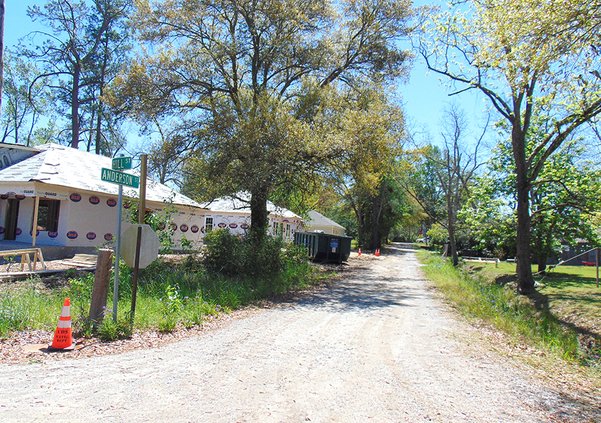
The Anderson Street Paving Project represents a milestone for Statesboro. This 385-foot connector, built between East Main Street and Hill Street, was transformed into a 20-foot-wide roadway designed to meet not only city requirements but also the standards set by the Georgia Department of Transportation (GDOT). The improved road isn’t simply a matter of aesthetics; it symbolizes the city’s strategic vision to connect residents, business owners, and industries more efficiently.
Historically, Statesboro has faced a few tricky parts when it comes to road maintenance. Paving the last unpaved road was seen as a significant challenge, but today’s completion signals that these confusing bits have been replaced by smooth, durable surfaces. The transformation demonstrates that even in times when tackling such tangled issues might feel intimidating or nerve-racking, determined investment and collaborative planning can lead to considerable progress.
Enhancing Daily Commutes and Boosting Local Mobility
The daily commute for many Statesboro residents has long been marked by bumpy rides and concerns over road safety. With the new paving project, drivers now enjoy a smoother and safer driving experience. By converting an old dirt road into a well-constructed, paved connector, the city has taken proactive steps to reduce vehicle wear and tear and minimize the risks that come with uneven road surfaces.
In addition to general roadway improvements, new driveways were constructed as part of the project to offer safe and convenient access to homes and local businesses. This careful inclusion of access points demonstrates the city’s commitment to ensuring that its upgrades are comprehensive and widely beneficial. Such improvements not only enhance the quality of daily commutes but also serve as a signal to businesses that Statesboro is committed to fostering an environment that is both accessible and reliable.
A Closer Look at the Paving Project’s Impact on Safety and Connectivity
The safety and connectivity advantages resulting from the project invite us to dig into some of the hidden complexities at play. Here are some key points that illustrate its significance:
- Smoother Driving Experience: A paved roadway reduces the risks associated with potholed surfaces, which can cause distracting bumps and occasional accidents.
- Enhanced Visibility and Lighting: Improved street markings and lighting on the new road help drivers guide their way during twilight hours and adverse weather conditions.
- Reduced Vehicle Maintenance Costs: Well-constructed roads mean fewer shocks to vehicles, leading to diminished repair costs for local drivers.
- Better Access to Services: New driveways and connections will make it easier for emergency services, delivery trucks, and public transportation to operate safely and efficiently.
Looking at these benefits, it becomes clear that the project was about more than paving a single street—it was about upgrading the very framework on which Statesboro’s mobility rests.
Economic Ripples: How Improved Roadways Fuel Growth
Beyond the practical improvements in everyday commuting, paving every road within Statesboro has broader implications for the local economy. Enhanced infrastructure directly contributes to economic stability by fostering an environment where business operations and industrial manufacturing can thrive. The streamlined roads not only facilitate the movement of goods and services but also help local businesses manage their deliveries, inventories, and overall operations.
To better understand these economic ripples, consider the following points:
- Stimulating Small Business Growth: Smoother roads attract more customers, whether they be local residents or occasional visitors, benefiting restaurants, retail stores, and other small enterprises.
- Boosting Industrial Efficiency: For manufacturing and industrial sectors, reliable transportation routes ensure that raw materials and finished products can move with minimal delays, reducing operational hiccups.
- Encouraging Investment: The visible commitment to upgrading infrastructure builds investor confidence. This project sends a clear message that Statesboro is open for business and ready to support modern industrial needs.
- Supporting Job Creation: Construction and maintenance work associated with such projects create temporary and long-term job opportunities, enhancing the overall economic landscape of the community.
When communities invest in their roadways, they also invest in economic resilience. Even when the twists and turns of budget constraints and bureaucratic hurdles appear overwhelming, states and municipalities that prioritize such projects often find a boost in subsequent business and commercial activity.
Small Business Advantages and Local Opportunities
For small business owners, a well-paved road isn’t just a physical improvement—it’s an economic lifeline. Retailers and service providers have long recognized that easier access leads to more foot traffic and vibrant commercial activity. Here are some of the key advantages for small businesses resulting from this project:
- Improved Customer Access: Better roads mean residents can more easily find and visit local businesses, which can translate to increased sales and growth opportunities.
- Enhanced Delivery Routes: Reliable transportation routes allow logistics and delivery services to operate more efficiently, reducing delays and improving service quality.
- Increased Safety for Patrons: Well-lit and maintained roads help ensure the safety of customers, which can elevate a business’s reputation and encourage repeat business.
- Community Pride and Marketing: A city that takes care of its infrastructure reflects positively on the businesses operating within it. The visible upgrade in Statesboro has a marketing charm, underlining a commitment to community welfare.
This renewed commitment to local infrastructure conveys a strong message: by addressing the confusing bits and tackled twisted issues head-on, municipal leaders are not only protecting but also promoting the economic interests of the community. With each improved roadway, small businesses find fresh opportunities to expand and flourish.
Investment in Infrastructure: A Step Forward for Industrial Manufacturing and EV Integration
While road paving might seem merely a routine maintenance activity, its broader implications extend significantly into the realm of industrial manufacturing and even electric vehicle (EV) integration. High-quality road infrastructure can support heavier industrial vehicles, reduce wear on machinery, and create a dependable network for transporting goods—all crucial advantages for industries looking to modernize their logistics.
Modern industrial manufacturing increasingly depends upon efficient, reliable transportation systems. Smooth, even roads reduce the risk of damaging costly machinery and equipment. In addition, as electric vehicles and green technologies become more common in industrial settings, a strong foundational infrastructure ensures these innovations can be deployed effectively. For businesses investing in EV fleets, the improved roadway is a must-have foundation that guarantees efficient power delivery and long-term durability.
This shift underscores a broader trend where investments in municipal infrastructure are closely aligned with industrial and technological progress. The new roadway is not just a tactical upgrade—it is a strategic asset that supports Statesboro’s evolution into a modern hub for both industrial manufacturing and electric vehicle innovation.
Navigating Tax Legislation and Government Funding
Behind every municipal investment, there are the often tricky bits of tax legislation and government funding. The Anderson Street Paving Project was financed largely through the Transportation Special Purpose Local Option Sales Tax (TSPLOST). While such funding sources may seem intimidating or even nerve-racking at first glance, effective use of these financial tools demonstrates that local governments can work through tangled issues and secure essential projects without overly burdening residents.
Digging into the details, here’s why TSPLOST funding is critical for projects like this:
- Community Investment: By using specialized sales tax funds, the city ensures that the benefits of improved infrastructure are distributed among residents and local businesses.
- Transparency and Accountability: Funding projects through well-regulated local option taxes provides clear accountability. Taxpayers can see that their money is directly contributing to visible improvements.
- Leveraging Federal and State Support: Complementary funding from state agencies, such as the GDOT, ensures that the project meets stringent standards, eliminating many of the hidden complexities that sometimes plague local initiatives.
When we consider this aspect of legislation and funding, the project emerges as a case study in effective public finance management. Although sorting out the fine points of tax law and government grants might seem overwhelming, the result in Statesboro is a testament to what smart, community-focused budgeting can achieve.
Implications for Business and Industrial Sectors
The solid infrastructure now in place can have far-reaching implications for various sectors of the local economy. Manufacturing units that transport heavy industrial equipment benefit from roads engineered to withstand sustained loads. Additionally, industries eyeing modernization, particularly those in transportation and EV-related fields, see enhanced operational efficiency as a result of these road improvements.
The implications include:
- Reliable Supply Chains: Modernized roads reduce the downtime associated with vehicle maintenance and delays, which is essential for manufacturing and distribution companies.
- Cost Reduction in Logistics: With fewer obstacles on the roads, companies can look forward to lower fuel consumption and reduced logistical costs.
- Enhanced Industrial Competitiveness: An attractive, efficient transport network makes Statesboro a more competitive region for those seeking to expand manufacturing or establish new operations.
In essence, every improved roadway here is not just a public work—it is an investment that not only smooths the rides of daily drivers but also fine-tunes the logistics engines that power local industry.
Community Unity and Policy Implications
Projects like the Anderson Street Paving Project offer more than practical benefits; they also serve as a rallying point for community unity and progressive local policy. When every street in a town is paved, residents feel a renewed sense of pride and belonging. This upgrade sends a clear message: municipal administrations are not only ready to tackle those intimidating challenges but also eager to make every community member’s life a bit easier.
Local leaders, contractors, and community stakeholders all played a role in working through the twists and turns that come with completing a project of this scale. The impressive result, a fully paved city, fosters civic trust and motivates further engagement in public policy and community development projects. Moreover, this cyclical boost in confidence can encourage public participation in discussions on everything from zoning laws to business tax regulations.
In policy terms, the project is a microcosm of what is possible when local governments prioritize essential services. The collaborative nature of the initiative sets a precedent for transparent, community-focused governance—a model that can be replicated in infrastructure projects across other localities looking to modernize and enhance their public services.
Market Opportunities: Automotive Trends and Electric Vehicle Enhancements
The construction of smooth, durable roads extends even into the realm of automotive trends, where improved road conditions can stimulate consumer interest in both traditional vehicles and electric cars. As the global focus shifts towards greener transportation, robust infrastructure is super important to supporting the safe operation and increased popularity of electric vehicles (EVs).
Local dealerships and automotive service providers benefit from enhanced road conditions in several ways:
- Increased Vehicle Durability: Consistent road surfaces prevent undue stress on vehicles, thereby extending their lifespan and reducing repair costs—an attractive point for potential car buyers.
- Smoother Test Drives: For those in the market for a new or electric vehicle, a well-paved road gives an opportunity to truly experience the engineering finesse of modern cars.
- Attraction for EV Infrastructure Development: As electric vehicles become more popular, cities with modern roadways might also see a boost in EV charging station installations and related services, thereby enhancing their status as progressive communities.
This intersection of automotive innovation and infrastructure development is reassuring for consumers and businesses alike. It illustrates that when governments invest in the fine points of their cities, the positive effects spill into every avenue of economic and technological progression.
Emerging Trends in Electric Vehicle Integration
As Statesboro moves towards a fully paved city, local policymakers, business leaders, and automotive enthusiasts are beginning to explore the nitty-gritty connections between robust infrastructure and the emerging field of electric vehicles. The following points illustrate why improved roads are super important for EV integration:
- Boost in Charging Station Deployment: A modern transport network is more likely to attract private investors and governmental grants geared toward establishing charging stations.
- Enhanced Safety and Efficiency of EV Fleets: Companies that wish to convert their fleets to electric can benefit from roads that absorb less vibration and reduce overall vehicle wear—a promising factor in long-term cost savings.
- Sustainable Urban Transport: With paved roads and modern connectivity, cities can more effectively implement green transport plans that include EV buses, car sharing, and dedicated lanes for electric vehicles.
These changes are not without their challenges—there are, of course, tricky parts and bureaucratic twists associated with integrating traditional infrastructure with futuristic technologies. However, by taking the wheel and making thoughtful investments today, municipalities like Statesboro can pave the way for a more sustainable, efficient tomorrow.
Opinion: Paving the Way for a Resilient Future
The Anderson Street Paving Project is far more than a construction achievement; it is a statement of intent from Statesboro’s leadership. It communicates that even though the path can sometimes be nerve-racking or full of problems, there is a future where all parts of a community are interconnected through thoughtful design and solid craftsmanship.
From the perspective of small business owners, industrial manufacturers, automotive providers, and even EV enthusiasts, the project sets a precedent for how municipal investments fuel economic opportunity and create safer, more efficient communities. By addressing the confusing bits that once hampered smooth commutes and creating improved driveways for safer access, the project demonstrates that tackling intricate local challenges is not only manageable but highly rewarding.
Looking ahead, Statesboro’s paved streets may encourage other communities to reevaluate their transportation networks, especially in times when road improvements can foster economic growth, enhance safety, and inspire advancements in technological integration. The progress we see today is a testament to what can be achieved when city planners, state agencies, and community stakeholders figure a path through tangled issues and commit to a shared vision of a bright municipal future.
Reflecting on the Broader Economic Landscape
As we take a closer look at the broader economic scene, the success of the paving project underscores several key principles that are applicable across all levels of public policy and local business strategy:
- Community-Focused Investment: When local governments direct funds toward projects that measurably benefit residents, confidence in public institutions is renewed. This, in turn, can lead to increased consumer spending and business investment.
- Boosting Industrial Competitiveness: Reliable roads reduce operational costs for industrial manufacturers, allowing them to reallocate saved funds towards research, development, and workforce expansion.
- Supporting a Greener Economy: With smoother roads facilitating electric vehicle integration, Statesboro positions itself as a forward-thinking community ready to embrace environmental and technological innovations.
These observations illustrate that the positive spillover effects of infrastructure upgrades can extend beyond immediate convenience—they help shape the economic narrative of a region. Whether you are a small business owner hoping for increased foot traffic or an industrial manager aiming to streamline logistic processes, the ripple effects of well-funded municipal improvements are hard to ignore.
Future Directions and Policy Recommendations
While celebrating the current success, it is crucial to remain forward-thinking. Here are a few policy recommendations to consider for the future:
- Continued Investment in Road Maintenance: It is super important that municipal leaders set aside funds not only for new projects but also for the ongoing maintenance of existing infrastructure.
- Encouraging Public-Private Partnerships: By leveraging partnerships between local government, private enterprises, and community groups, additional innovative projects can be realized without putting undue pressure on public resources.
- Expanding Sustainable Transit Options: With the rise in electric vehicle usage, it might be a good idea to start planning for dedicated EV lanes, more charging stations, and smarter traffic management systems.
- Engaging Community Feedback: Local residents and business stakeholders should be involved in the planning process to ensure that projects meet community needs and reflect local priorities.
Listening to community input and embracing innovative financing models can help other small towns and municipal centers emulate Statesboro’s successful template. By working through the little twists and heavily phrasing policies that are understandable to everyday residents, local governments can build roadways that are as efficient as they are inviting.
Conclusion: A Paved, Promising Road Ahead
In wrapping up this discussion, it is clear that the Anderson Street Paving Project is more than just an isolated initiative—it is a symbol of Statesboro’s commitment to progress, safety, and economic resilience. The project has smoothed out not only the literal road but also the path toward heightened community involvement and business growth.
Whether you are a local entrepreneur, a resident worried about everyday travel, or an observer of broader economic trends, the project resonates as a tangible reminder that investing in public infrastructure can unlock hidden opportunities and streamline the operations of diverse sectors, from traditional industrial manufacturing to the burgeoning field of electric vehicles.
While every transformation comes with its set of challenging parts and occasional nerve-racking moments, the outcome here is a testament to what can be accomplished with clear vision, responsible financial stewardship, and genuine community partnership. As Statesboro’s leaders have shown, when you take the wheel and figure a path through tangled issues, the road ahead can be both smooth and promising.
As municipalities across the country contemplate their own infrastructure needs, the successful completion of this project should serve as an inspiring blueprint. It shows that practical solutions—when merged with thoughtful planning and community support—can drive a region’s growth forward, transforming both the local economy and the daily lives of residents. For Statesboro, this paved future is not only super important for current safety and connectivity; it is a must-have foundation on which a resilient and prosperous community will continue to build.
Originally Post From https://www.griceconnect.com/local-news/city-of-statesboro-paves-the-last-dirt-road-completing-the-anderson-street-paving-project-11346133
Read more about this topic at
History of the Interstate Highway System | FHWA
Preservation – Historic Roads